
To provide our skin with the proper care, we should first recognize our skin type and its subtype. Bearing in mind that these two terms are not equal. While each of us has only one skin type, you can have one, several, or no skin subtypes at all.
Basic skin types
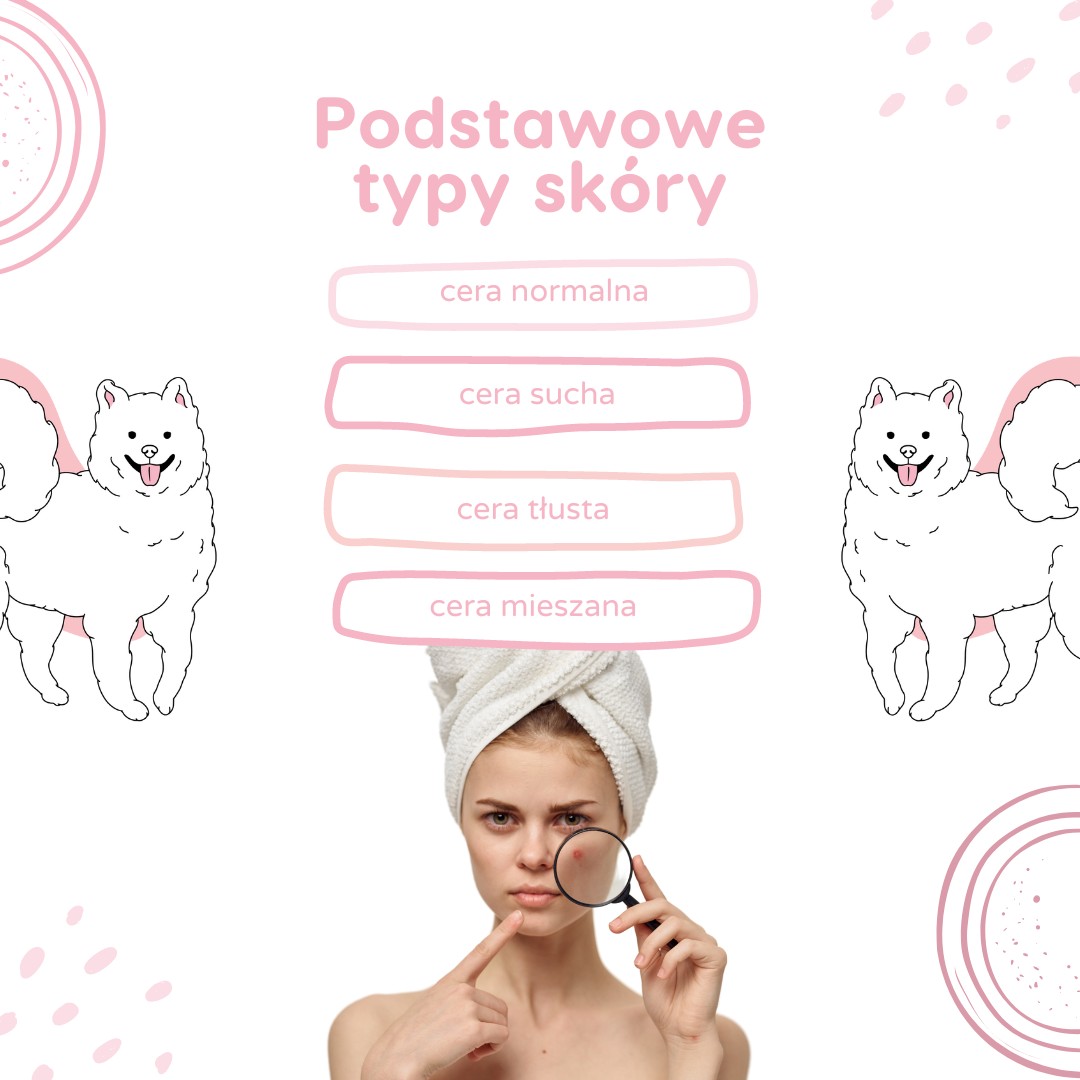
The basic skin types are: oily skin, dry skin, combination skin and normal skin. And acne-prone skin, couperose skin, dehydrated skin, mature skin, sensitive skin are nothing else but skin subtypes. Once we manage to recognize the skin type and determine all skin subtypes, its care will become simpler and more pleasant for us, because it will bring the results we care about.
How to recognize a skin type and skin subtype?
We know this is something that often keeps you awake at night, which is why we hope that the information we will share with you in the following article will help you recognize skin types. And it will be easier for you to find an answer to the question of what your skin needs the most. Thanks to this you will be able to feel comfortable in your own skin.
Where to start?
Before we move on to the characteristics of types and subtypes, and briefly describe each skin type, we have a little task for you! What does it involve? Observing your skin! Stand in front of the mirror and check what your skin looks like in the morning and in the evening. Do you notice any difference? Observe how it behaves during the day. Is it not very supple? Or maybe it is smooth and soft? Have you noticed dry patches? What do your pores look like? Check how your complexion behaves after washing. Do you feel an unpleasant sensation of tightness and discomfort? Does it quickly start to shine? How your skin looks will help you determine what skin type you have.

Note and compare!
You can write down all your observations on a piece of paper or in your phone: it is worth doing this, having them at hand, and later comparing your own observations with the information we will present to you below. Perhaps eventually all the pieces will fall into place and you will find out how to recognize normal skin, what are the characteristic features of oily skin or dry skin and what influences the fact that we have combination skin?
Normal skin
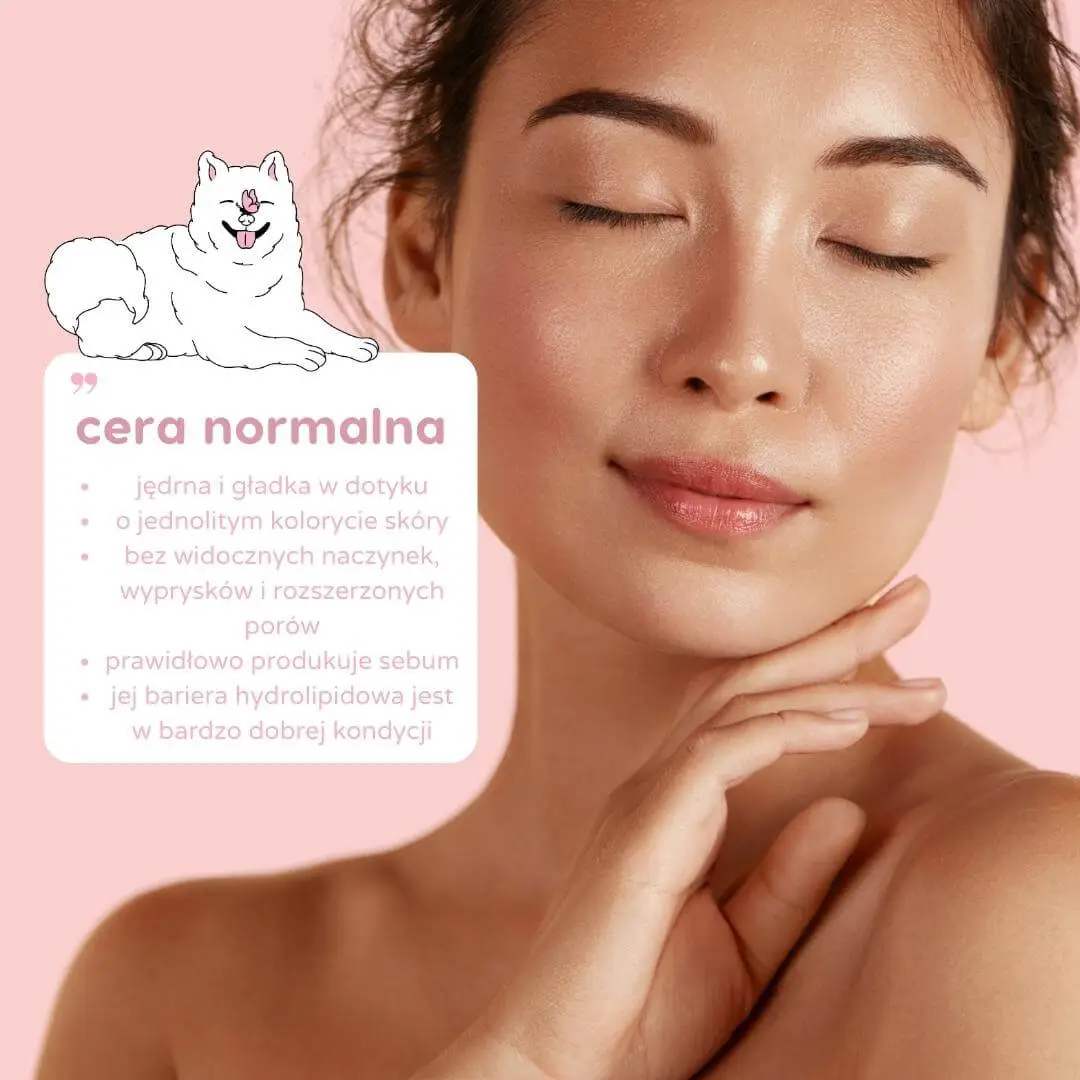
Normal skin is a skin type that is simultaneously one of the most desired among individual skin types and the least common in adults. Normal skin is most often found in pre-pubescent children.
It is actually the skin type we all strive for: sebum is produced in the right amount, imperfections on such skin appear very rarely, its surface is smooth, the skin tone is even, and the openings of the sebaceous glands are almost invisible. Normal skin maintains an appropriate level of hydration because its hydrolipid barrier is in a very good condition.
Its care is simple. It reacts well to cosmetics: it is enough not to disturb it. Minimalist care serves it well. Nevertheless, one must remember that its improper care (lifestyle, diseases, civilization pollution etc.) can lead to its transformation into dry, oily, or combination skin.
Dry skin
Anyone can have dry skin regardless of age. Its form can be delicate and unobtrusive on a daily basis, but there is also a possibility that dry skin will become something that really gives you a hard time. In extreme cases, dry skin can be accompanied by flaking, itching, and cracking. Moreover, dry skin is prone to more frequent allergic reactions.
Dry skin is dull, lackluster, as well as rough and inflexible. It usually has a disturbed process of keratinization and exfoliation. Dry skin does not produce a sufficient amount of sebum, which in combination with a damaged hydrolipid barrier means it does not fulfill its function properly: it does not retain enough water in the epidermis.
The occurrence of dry skin can have a genetic basis, result from our lifestyle or be the result of a disease, however, it can also be the result of poor care of normal skin. Therefore, in the case of dry skin, it is very important to choose appropriate care that will rebuild its hydrolipid mantle and increase occlusion (replacing the lack of sebum). It should be supported not only with cosmetics, but also by consuming a sufficient amount of water and a varied diet rich, among others, in fatty acids.

Dry skin ages faster
Dry skin is thin skin, breakouts appear rarely or not at all, but it is precisely on it that the signs of aging are visible very quickly. Wrinkles become visible faster, dry patches become a daily occurrence, and after washing we are often accompanied by a feeling of tightness and discomfort. This skin type requires intensive hydration and very gentle washing.
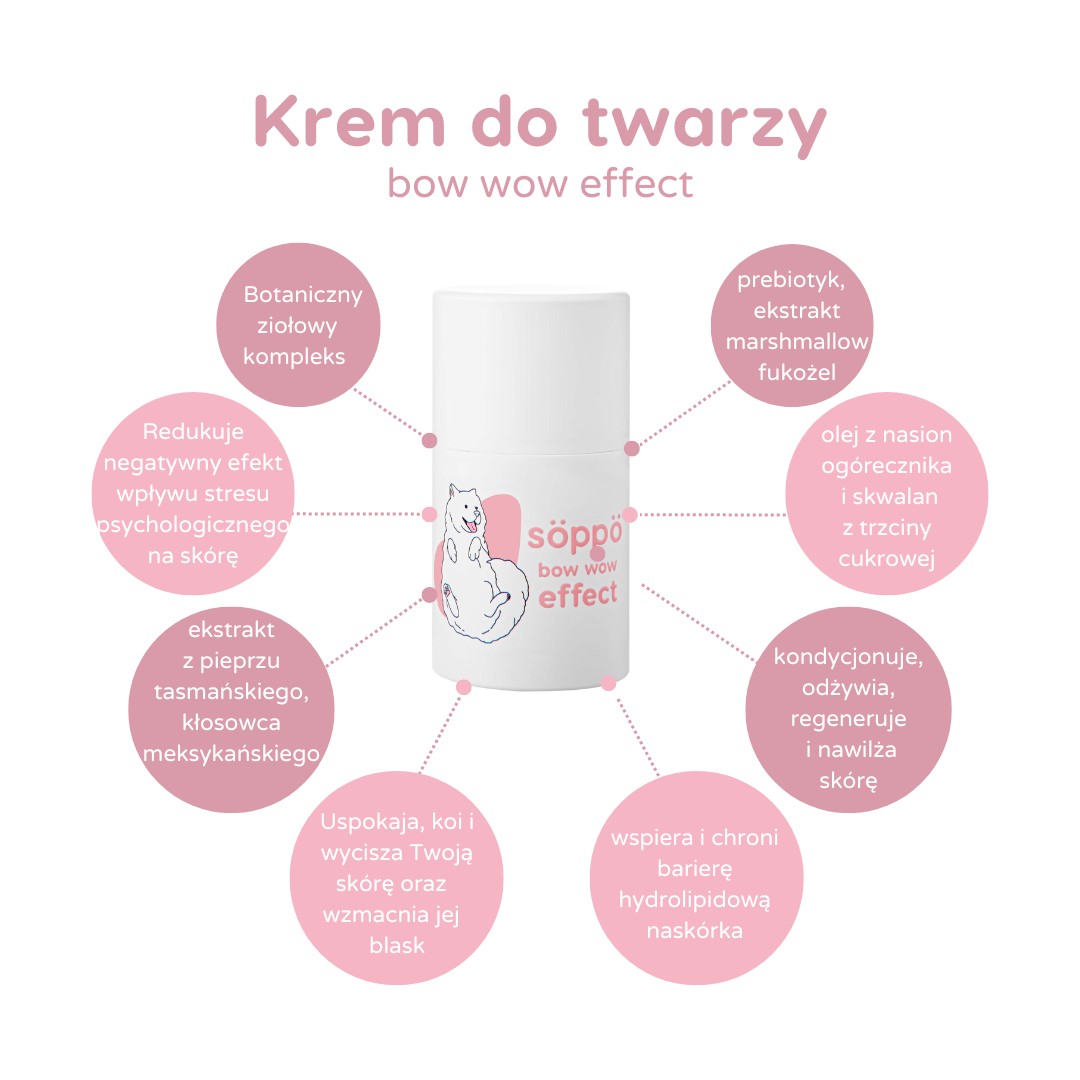
When looking for suitable cosmetics for yourself, it is worth choosing those that have raw materials providing hydration to the skin and helping to retain it, such as fucogel or marshmallow extract. These raw materials not only have moisturizing properties, but are also responsible for the proper water level in the skin. It is also worth taking care of its brightening, which will be helped by the botanical complex Herbaglow NRG, in which you will find, among others, black mulberry leaf extract, which increases the amount and quality of mitochondria in skin cells. Thanks to this, the skin gets an extra boost of energy, protection against free radicals, even skin tone, and a strengthening of the skin's natural, healthy glow. And you will forget about a dull appearance.
Oily skin
Oily skin is the absolute opposite of dry skin. It shines heavily, produces sebum quickly and in excess, and on top of that it has visible and enlarged pores. In other words, its sebaceous glands are overreactive. Oily skin is usually thick and has an earthy tone. On top of that, it gets congested easily. It is often accompanied by breakouts and blackheads. For these minor inconveniences, oily skin ages more slowly!
Oily skin care should focus primarily on regulating the work of sebaceous glands and, contrary to appearances, on providing it with hydration through raw materials that bind moisture in the epidermis. Well-hydrated skin will become less oily. Oily skin, on the other hand, does not need more occlusion: the produced sebum performs this function. Therefore, it is better to approach oil serums or heavily occlusive creams with caution.

Do not dry out oily skin
It often happens that having oily skin, we treat it aggressively: intensively cleansing, mattifying and exfoliating, which can additionally increase sebum production and instead of helping ourselves, we will only worsen the condition of our skin by creating a vicious circle. Oily skin has its own rules to some extent. Therefore, let's remember that after using invasive care, the work of the sebaceous glands may be intensified, and consequently: we will shine more. Thus, exactly what we are trying to avoid will happen.
To support the regulation of sebaceous glands, the skin should be cleansed of excess sebum regularly, morning and evening. Thanks to this, you will avoid lipid-eating bacteria that could settle on your skin. However, do not wash oily skin too aggressively, scrubbing it "until it squeaks", although it might tempt you. Proper cleansing does not mean aggressive action! Choose a mild cleanser supporting the skin's microbiome, which on the one hand will help you get rid of sebum, and on the other hand will not cause a feeling of tightness and burning. And if necessary, wash the skin in two stages (using an oil and a gel, or the same product twice).
By treating oily skin properly, we are able to control it.

Combination skin
If your skin type is combination skin, you have certainly noticed that it is a combination of dry and oily skin. It is characterized by a deficit of sebum in some parts of the face and its excess in others. Most often we encounter overproduction of sebum in the T-zone (chin, nose and forehead) and its deficit on the cheeks. Although there are other configurations of their location. Combination skin is really common and it is a skin type that often causes problems in skincare. Combination skin is often characterized by the fact that the cheeks remain dry and require more hydration and occlusion than the chin, nose, or forehead, which remain oily.

Combination skin care requires appropriate balance. It often happens that people who have combination skin apply different cosmetics to dry parts of the face and different ones to oily parts. However, this is not a necessity. A properly balanced moisturizing cream can work for the whole face: as long as it does not excessively weigh down the oily parts. You can also apply a moisturizing cream to the entire face and a normalizing serum to selected parts that require it. How can we additionally help ourselves? In order to get rid of excess sebum in the T-zone, we can use mattifying blotting papers.
What are skin subtypes all about?
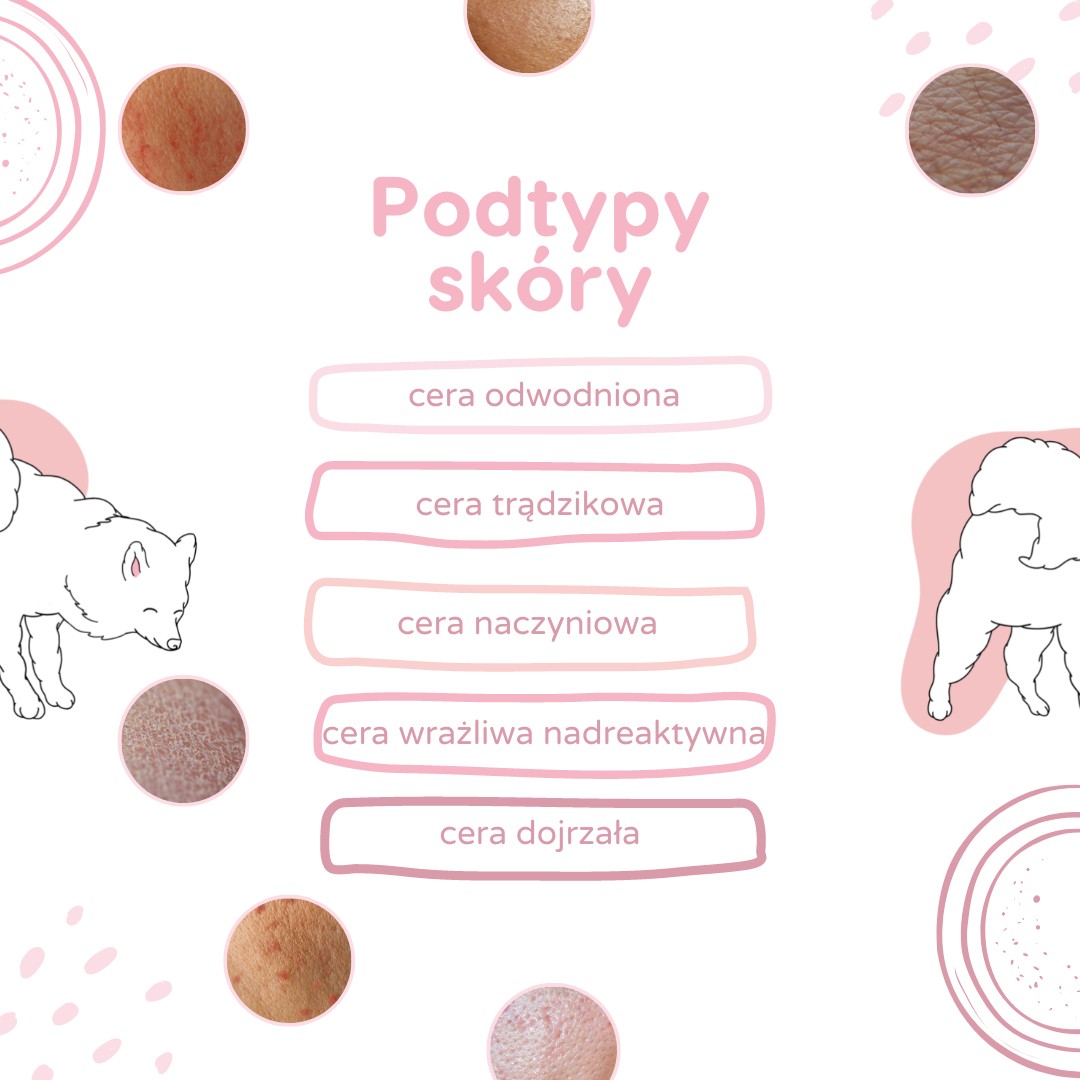
Since you already more or less know how to recognize your skin type, it is time to briefly explain what skin subtypes are all about. These are nothing else but the features of our skin, and they can include, among others, discoloration, acne, and dilated capillaries. These changes can occur regardless of what skin type we have. Therefore, it may happen that both owners of dry and oily skin will struggle with hyper-reactivity or dehydration of the skin. In skincare, it is worth choosing a serum tailored to your subtype, the temporary needs of the skin.
Subtypes: acne-prone skin and couperose skin
Acne-prone skin increasingly affects mature people. Acne-prone skin is characterized by the occurrence of pustules and papules. Subcutaneous painful lesions also appear. The cause of acne can be inappropriate skincare, excessive activity of sebaceous glands, or hormonal disorders. Acne-prone skin can be very problematic, so it is worth asking a trusted dermatologist or cosmetologist for help. Remember that in the case of very severe lesions, you should consult a doctor regarding treatment.
Couperose skin occurs when we observe temporary redness on our face. They can occur after physical exertion, with a sudden change in temperature, or during a stressful situation. A flush then appears on our face, which stays on the skin for some time. When we observe such a phenomenon on our face, it is a sign for us to reach for skincare that will seal the blood vessels. Couperose skin requires actions preventing the so-called breaking of capillaries. Also remember that couperose skin has the greatest predisposition to rosacea. With this skin type, care should be gentle, soothing, and you should remember to avoid excessive rubbing of the skin and sudden temperature changes.
Subtypes: dehydrated skin, mature skin and sensitive skin
Dehydrated skin is often confused with dry skin, which occurs when the sebaceous glands produce too little sebum, while dehydrated skin refers to too little water in the epidermis. Dry patches, fine lines, lack of radiance or lack of elasticity – this is exactly what characterizes this skin type.
Mature skin, as the name suggests, is related to our age. Characteristic of it are visible wrinkles, discoloration, loss of elasticity. By using creams with UV filters, we delay the aging process of our skin. Here it is worth noting that "anti-wrinkle" cosmetics prevent the appearance of wrinkles, and do not reverse those that have already formed.
Sensitive skin is otherwise known as hyper-reactive skin. It is a skin type that reacts very strongly to changes in temperature, environment, water, or cosmetics. Inappropriate care of this skin subtype will lead to irritation and can be the first step towards moving towards couperose skin. Gentle products will work perfectly in the case of sensitive skin care.

The magic of proper skincare
Appropriate facial cleansing cosmetics are the key to success. Dedicating time to our skin and caring for it tailored to the needs of the skin type can work wonders. That is why individual approach to the skin's needs is so important. Remember that something that works for your friend will not necessarily work for you too. However, if you are dreaming of twin sets, we have a great proposal for you!
Our cosmetics are designed for all skin types. The innovative combination of natural ingredients with the latest technology has allowed us to give you a product that will meet many requirements and adapt to your needs.
It is therefore worth determining your skin type and thus being aware of what our face needs the most. Thanks to this, we will easily be able to modify our skincare habits. We hope that now you will be able to recognize your skin type with ease and will gladly use this knowledge in your daily skincare routine.