
A guest article from the wonderful girls from Kosmos w Słoiczku. It discusses the topic of natural cosmetics, their definition, safety, eco-friendliness, and connection to veganism and cruelty-free practices. The article also touches upon certification issues, natural and synthetic ingredients, as well as the environmental impact of cosmetics production. You will also find links to reviews that Ada and Olga wrote after testing our cosmetics. These are extremely valuable opinions written by two girls - cosmetics industry insiders - with completely different skin types. We give the floor to the girls!
What exactly is a natural cosmetic?
Natural cosmetics not so long ago were a niche product group. Today they are already a kind of requirement, and their popularity is constantly growing. Are natural cosmetics better than conventional ones? Does natural mean safer? Can we consider all products in this group to be eco-friendly? Let's find out!
What does a natural cosmetic mean?
Exactly! It would seem to be the fundamental question we should answer in this type of consideration. And right here arises the first and primary problem. There is no such thing as a legal definition of a natural cosmetic. There is a number of private organizations that provide certifications according to their own guidelines. You definitely know such labels as NaTrue or ECOCERT. More about the requirements met by products with these labels can be found in our earlier post - "Cosmetic product certificates part II - natural, organic."
The newest attempt to categorize natural products is the introduction of the ISO 16128 standard. ISO - International Organization for Standardization is an independent international and non-governmental standardization organization. The ISO 16128 standard relates to cosmetic ingredients. This regulation established the definition of natural raw materials and those of natural origin. Natural ingredients can be obtained from plants, animals, microorganisms, and minerals using physical processes or fermentation, but without chemical modification. On the other hand, ingredients of natural origin are those that are 50% derived from natural sources, obtained by chemical or biological methods with the intention of chemical modification. Thanks to the ISO 16128 standard, we can determine the so-called naturalness index, which is why more and more often on packaging there are declarations like "90% ingredients of natural origin". This regulation also defines the organic nature of ingredients, where we can also determine its level using an index.
Every organic cosmetic will also be natural, but not every natural one will be organic.
Can we consider only those with certification as natural cosmetics?
Let's say it loud and clear - NO! Obtaining NaTrue or ECOCERT certification involves huge costs, audits, and a lot of "paperwork". Not every manufacturer, especially those at the beginning of their journey, can afford this type of procedure. A cosmetic can meet all the requirements of NaTrue or ECOCERT, but not have the logo on the packaging because they simply did not pay to use it. This does not mean it is in any way "less natural". Having the logo of given certifying bodies on the packaging, we can be sure that the cosmetic meets certain requirements. If we do not have this type of labeling, we simply have to verify the level of naturalness ourselves.
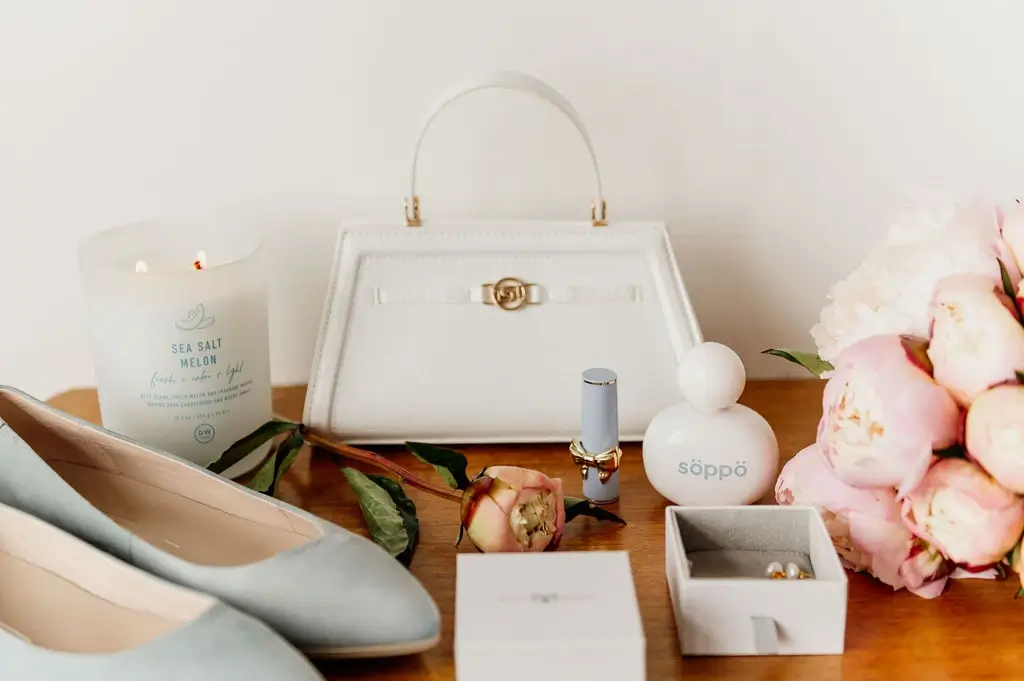
A good example here is the brand Söppö, which clearly communicates why we will not find the logos of well-known certification bodies on their packaging - "Precisely because certificates cost money that we could have spent on better compositions, more thorough research, and higher quality raw materials. Instead of buying a stamp that confirms what is already legally written on the packaging, we chose to lower the cost of the cosmetics as much as possible with such rich compositions full of valuable raw materials in high concentrations."
If you would like to see their offer, please visit the website soppocosmetics.com. Our subjective feelings from using these products can be found here, here and here.
Declarations of naturalness and the law.
Since our determinant should not only be certificates, how are we supposed to know what is natural and what is not? We must remember that EVERY cosmetic is subject to the same regulations. All products must comply with the EU Regulation 655/2013, which states that all claims must be legal, truthful, and supported by evidence. You can find more on this topic in our article - "Marketing claims - empty slogans?!".
In practice, this means that if a manufacturer declares "90% natural ingredients", they must have evidence to prove it. The ISO 16128 standard, which is free, helps us a lot to clarify these issues.
We warn you, however, against catchy marketing slogans like "green" or "eco-friendly". It is very hard to prove their validity here because does green refer to color? How to confirm "greenness"? Does "friendly" mean nice? Unfortunately, the law, and not only cosmetic law, has many "grey areas", so look primarily for specifics and remember that you can always reach out to the manufacturer asking for clarification.
Are natural cosmetics safer?
There is no such thing as a safer cosmetic. The same product may turn out to be extremely effective for one person, while causing an allergic reaction and irritation in another. ALL cosmetic products, if placed on the market in accordance with applicable law, must meet the same requirements. The safety assessment and the requirements of the State Sanitary Inspection do not differentiate between natural and synthetic products. They all must be subject to exactly the same rules.
Remember that even ECOCERT allows the use of 5% synthetic ingredients, and conventional raw materials will never go completely out of use. If you have a tendency to allergies, you must also remember that extracts, infusions, or essential oils are multi-component mixtures. It is harder here for 100% product repeatability, which may contain greater or lesser impurities depending on the harvest. In addition, their multi-component nature can cause allergies. A good example here is chamomile, which in the form of an extract has a much greater irritating potential than synthetically derived bisabolol, which is a component of chamomile and the main compound exhibiting anti-inflammatory effects.
Natural ingredients can cause irritation and allergies just as much as synthetic raw materials.
Are natural cosmetics eco-friendly?
Very often cosmetics that declare their naturalness are more eco-friendly because it goes hand in hand with their brand concept, however THEY DON'T HAVE TO BE. The question also arises here: what does eco-friendly mean? Regarding packaging, it is assumed that glass containers are more eco. This is true because glass is the only material we can recycle an infinite number of times, BUT the transport of glass packaging due to its greater weight carries a larger carbon footprint. It is often also a matter of safety. Can you imagine a glass container for a shower gel? You grab a glass package with a wet hand, standing bare-footed in the shower; if the bottle just slips, an accident is guaranteed.... Plastic packaging will stay with us for longer whether we like it or not. It is worth noting, however, whether the material is recycled and whether it is recyclable. Increasingly, we can also find cartons produced from corn, for example, which are suitable for disposal in bio waste bins. It is worth paying attention to and appreciating such details.
Glass packaging can be recycled an infinite number of times, but due to its heavier weight, its transport generates a larger carbon footprint.
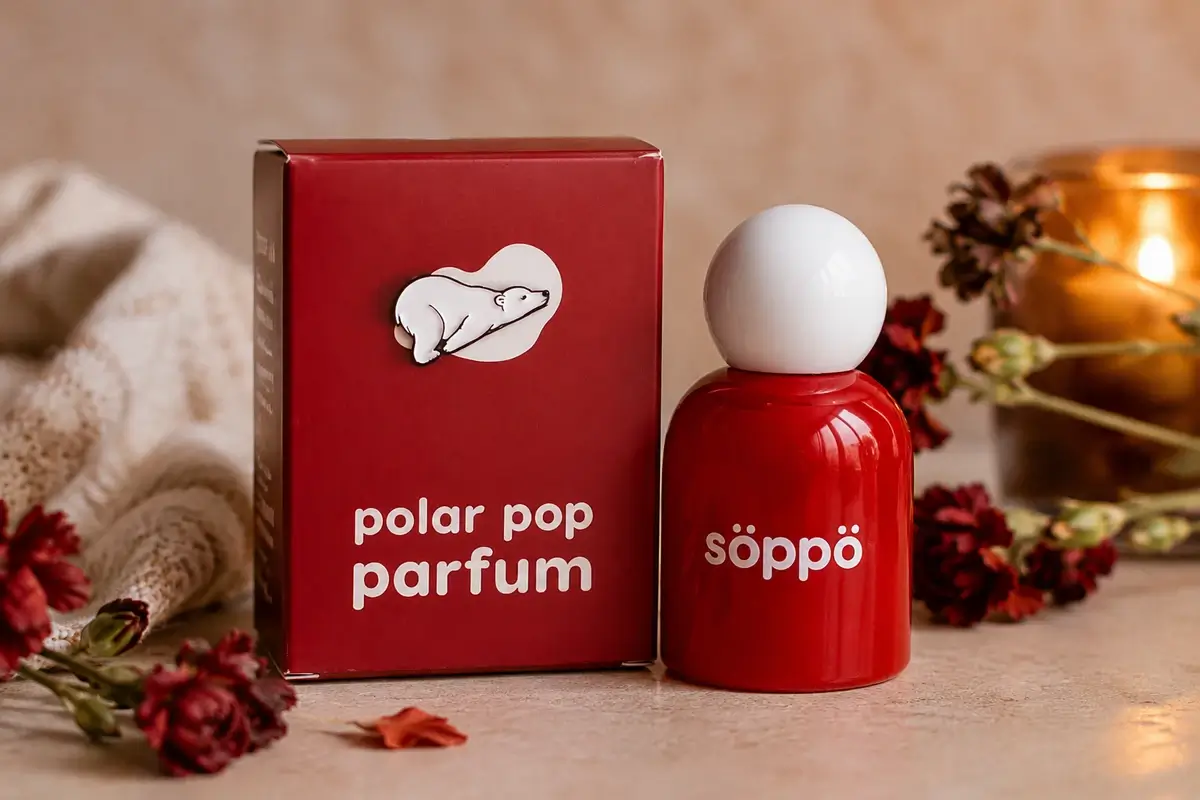
Here once again a good example will be Söppö where the cosmetics are packed in bottles made of recycled HDPE material, and the cartons are made of certified paper. You can find their products at soppocosmetics.com
Very often the production of natural ingredients itself is less eco-friendly than the production of synthetic raw materials. In the case of extracts, for example, we must take into account that to obtain them we need plants that grow on hectares of fields. To obtain land for cultivation, forests and other green areas are very often cleared. Every plantation also requires abundant watering, which involves using hectoliters of water, and often also artificial fertilizers. All of this, unfortunately, has a negative impact on our ecosystem.
Are natural cosmetics always vegan and cruelty-free?
Once again, very often they are, because it fits into the brand concept, but THEY DON'T HAVE TO BE. Vegan products do not contain ingredients of animal origin or animal by-products. We will not find dairy products here, animal waxes such as beeswax, honeys, or carmine - an intensely red dye derived from insects. When it comes to vegan declarations, certifying bodies also come to the rescue here, the most popular being The Vegan Society and Viva! You will read more on this topic in the article - "Cosmetics certificates part I - vegan products"
Just as in the case of certificates attesting to "naturalness", so too in the case of vegan ones, using the logo of all the above associations is paid. This does not mean, however, that products without markings are not vegan.
When it comes to animal testing, this is a separate topic that has nothing to do with the "naturalness" of a cosmetic, as is often mistakenly assumed. We remind you that since 2004 there has been a ban on testing cosmetic products and ingredients within the European Union. However, this regulation does not apply in all countries outside the Union, but this is a topic for a separate article.
If you are looking for cosmetics that respect animal rights to such an extent that they even use their image on their packaging. Once again, we invite you to soppocosmetics.com
Summary...
The entire aspect of the naturalness of cosmetics is an extremely complex topic. Because there is no clearly standardized definition, the question arises: what do we consider naturalness? For us, this topic should definitely be considered in a broader aspect than just the use of natural ingredients. We should increasingly pay attention to the eco-friendly aspect and look for confirmation of manufacturers' declared actions towards caring for our environment. Naturalness itself should not be the main driver for making our purchasing choices either. We have many cosmetics on the market produced in an ethical manner and with respect for nature, yet not necessarily positioned as natural products. For example, due to the use of synthetic ingredients. However, this is not inferior in any way. Remember that every skin is different and needs individual care. Naturalness is still a kind of trend and does not unequivocally affect the effectiveness or greater safety of use.