
The skin aging process is a natural process, just like the aging of the entire human body - it cannot be stopped. But slowing it down - absolutely. The key to the success of this endeavor is proper, broadly understood skin care and maintaining a hygienic lifestyle. Check what the first signs of skin aging are, what affects the rate of their appearance, and how you can slow them down.
First signs of aging - why do they appear and how to recognize them?
Skin aging processes begin when the activity of fibroblasts - connective tissue cells responsible for collagen production - decreases. It is the collagen and elastin fibers that provide the skin with its elasticity and firmness, acting as a kind of scaffold for it. Consequently, the loss of collagen and elastin manifests itself with the appearance of first fine, then deeper wrinkles and furrows. Additionally, with age, the amount of hyaluronic acid in the skin decreases and skin tension lowers.
How does the skin aging process occur? Its first signs can be noticed as early as between the ages of 25 and 30. The first mimic wrinkles appear on the skin surface - usually first around the eyes, where the subcutaneous tissue is very thin, in the following years furrows will appear on the forehead and around the mouth and nose. In the décolletage and neck area, loss of skin firmness will occur.
Further signs of skin aging observed in mature people include gradually appearing discolorations, spots, lentigines referred to as age spots, and depigmentation. The epidermis becomes thin, skin dryness appears and persists because the sebaceous glands reduce their activity. Loss of elasticity in the dermis results in its sagging and a change in the facial oval.
The manner and pace of skin aging depend on many factors, including skin type, but also genetic and environmental factors - and although skin aging is a natural and inevitable process, we can effectively delay and slow it down.

Symptoms of skin aging - what accelerates their appearance?
The causes of aging can be divided into two categories - endogenous aging (referred to as chronological or intrinsic aging - a genetically programmed process of inhibiting repair changes and intensifying atrophic changes in the skin) and exogenous aging occurring under the influence of external factors on the skin. For the most part, the former cannot be prevented. However, exogenous causes causing accelerated skin aging can be eliminated and thus the appearance of signs of aging can be delayed.
Internal factors accelerating the skin aging process
Endogenous factors that influence the formation of wrinkles and skin aging are:
- age - over the years, skin cells stop producing collagen and elastin. This is so-called chrono-aging, which is a natural and irreversible process;
- hormonal imbalances - including mainly too low levels of sex hormones - estrogens, without which the skin becomes dry and flaccid due to the degradation of collagen and elastin. These disorders may result from entering the menopausal period, but also occur in younger women. Always consult a specialist doctor and consider hormone therapy;
- genetic factors - changes occurring in the dermis - the time of their appearance and the pace at which they develop - depend on individual genetic predispositions, some people age much faster than others;
- nutritional deficiencies - diet is of significant importance in the skin aging process. If you notice skin laxity, dryness, and the first fine wrinkles appearing on its surface, it's a sign that it's worth paying close attention to what you eat. A diet rich in healthy fats, legumes, vegetables, and fruits - nourishes the skin and improves its condition. Additionally, they contain vitamins and chemical compounds that are strong antioxidants - by trapping free radicals, they help rebuild the skin's protective barrier and protect it from external factors, supporting regenerative processes. Also, do not forget about hydrating the body, which ensures optimal skin hydration, and thus its firmness and elasticity.
An interesting fact is that in people with thicker subcutaneous tissue, skin aging progresses more slowly or is less noticeable. This is due to the presence of more adipose tissue, which "pushes out" the skin, filling wrinkles in a similar way to hyaluronic acid.
External factors accelerating the skin aging process
Among external factors, one should mention primarily UV radiation, environmental pollution, and mistakes in daily skin care. Our skin is constantly exposed to both ultraviolet radiation and environmental pollution throughout life, and these are factors that can cause so-called oxidative stress - an imbalance between the amount of free radicals in the body and antioxidants. The result of this state is not only the premature appearance of signs of skin aging, but also a higher risk of heart disease, stroke, atherosclerosis, and neurodegenerative diseases.
Smoking tobacco is another factor that damages our skin as much as UV rays. Smoker's wrinkles clearly visible around the mouth are among mimic wrinkles resulting from excessive stretching of the dermis by the muscles located around the mouth.
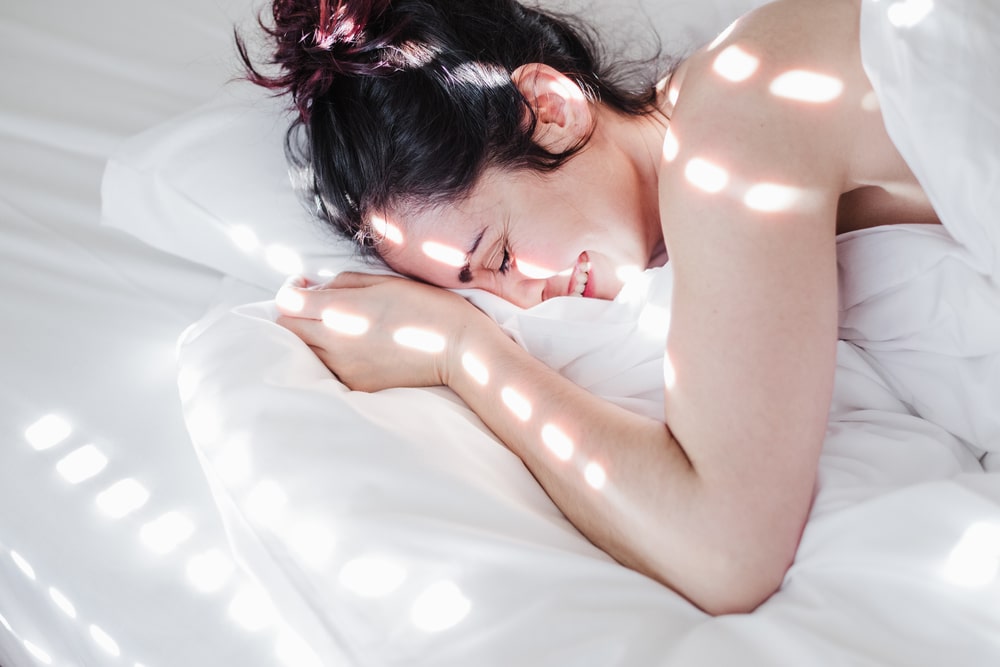
Sleep disorders and the associated fatigue and feeling of exhaustion, on the other hand, cause the skin to become pale, gray, or even sallow. Shadows and puffiness appear under the eyes, sleep wrinkles are formed. One of the foundations of a healthy lifestyle and maintaining a youthful appearance of the skin is therefore taking care of the quantity and quality of sleep.
How to slow down the skin aging process?
To those who wish to stop the appearance of the first signs of facial skin aging or slow down the already started process of the appearance of the first wrinkles, several tips can be given:
- take care of a healthy diet rich in various high-quality products - this will nourish your skin and strengthen its protective barrier;
- do not forget about hydrating the body - lack of sufficient fluids results in dry skin. Drink water, herbs, and teas, avoid sugary carbonated drinks and too much coffee;
- in daily skin care, use high-quality cosmetics appropriately selected for your skin's needs;
- protect your skin from the effects of sunlight - UV radiation permanently and irreversibly damages the skin structure and accelerates aging processes. Use high-quality cosmetics with a high SPF filter - also in autumn and winter;
- quit smoking and limit alcohol consumption to a minimum;
- lead a healthy lifestyle - exercise daily in the fresh air, remember to rest and limit stressful situations to a minimum;
- take care of sleep - do not stay up all night, do not use a phone or tablet in bed. Half an hour before going to bed, open the window and ventilate the bedroom. In the morning you will be rested and relaxed
Skin aging is a natural and inevitable process. By acting appropriately, however, we can slow it down and maintain a youthful, radiant appearance for longer.