
When we think of cosmetics we think of taking care of ourselves. But behind all this stands something more: responsibility. Behind the colorful packaging and promising slogans hides a topic that for years remained in the shadows: testing products and individual cosmetic ingredients on animals. However, does such a practice still take place? In this article, we will take a closer look at this issue.
The history of testing on animals: the reasons behind such practices
Tests conducted on animals were considered an industry standard in the cosmetics sector for years, in order to check the safety of individual ingredients, or finished cosmetics. With limited technology, research methods and knowledge about the impact of cosmetic raw materials on the skin, testing on animal organisms seemed to be the only possible option.
The road to responsibility
However, as technology and science advanced, it turned out that we can create products safe for humans, without harming animals in the process. We began to question the effectiveness, as well as the ethics of such tests on animals, both as consumers and researchers. And cosmetic companies began to create products free from cruelty towards animals. Cosmetics not tested on animals, thanks to the use of modern research methods, may soon become the norm (and in EU countries they already are).
Animal-tested cosmetics - what are they exactly?
Animal-tested cosmetics are products that had to go through a series of procedures that would not appeal to anyone acting on behalf of animal rights. The methods of testing cosmetic preparations on animals can vary depending on the purpose of the study. The general idea is that animals are used as models to predict the possibility of the human body's reaction to cosmetic ingredients. Sounds innocent? It is not at all.
What does testing cosmetics on animals look like?
-
Skin and eye irritation tests: these studies involve applying substances directly to the skin or into the eye of an animal. Then reactions are observed, such as redness, swelling or ulcers.
-
Another method is the allergy test. Here, applying the substance is meant to check if it causes allergic reactions. The live animal is immobilized during this time and has no way to react to what is happening. If the animal survives, it is used for further testing or killed.
-
Toxicity tests: in these tests, animals are exposed to the product in order to assess its toxicity. This may include administering substances orally, by inhalation or through the skin. This method is also called the lethal dose test. The name itself indicates what it leads to.
-
Long-term studies: animals are exposed to substances for an extended period of time to assess potential long-term effects.
-
Reproductive studies: they assess the impact of an ingredient on the animal's ability to reproduce and on the health of the offspring.
Why is testing cosmetics on animals bad? - consequences for animals and the environment
Animals on which product testing is practiced experience profound pain, stress and suffering. Animal testing can last from a few days to many months. They often require shaving or isolation. Animals get sick because their skin is constantly exposed to contact with highly concentrated raw materials, they have breathing problems because they are forced to inhale fumes and gases. During experiments, animals experience severe poisoning or organ failure, symptoms such as vomiting, diarrhea, convulsions, fever or internal bleeding.
Let's take care of more than just ourselves
Animal suffering in the name of beauty is unacceptable. in a world where taking care of mental well-being is becoming a priority, we cannot take care of only ourselves. Modern science and technology have brought us alternative research methods. Especially since the results of animal tests do not in any way improve human health. So why use them in the cosmetics industry?
Cosmetics not tested on animals - alternative testing methods
Every cosmetic, before it hits the market, must undergo a rigorous safety assessment. This does not mean, however, that cosmetics not tested on our furry friends do not exist. In an era where responsibility towards animals is just as important as human safety, a number of alternative methods have been developed that do not expose animals to suffering.
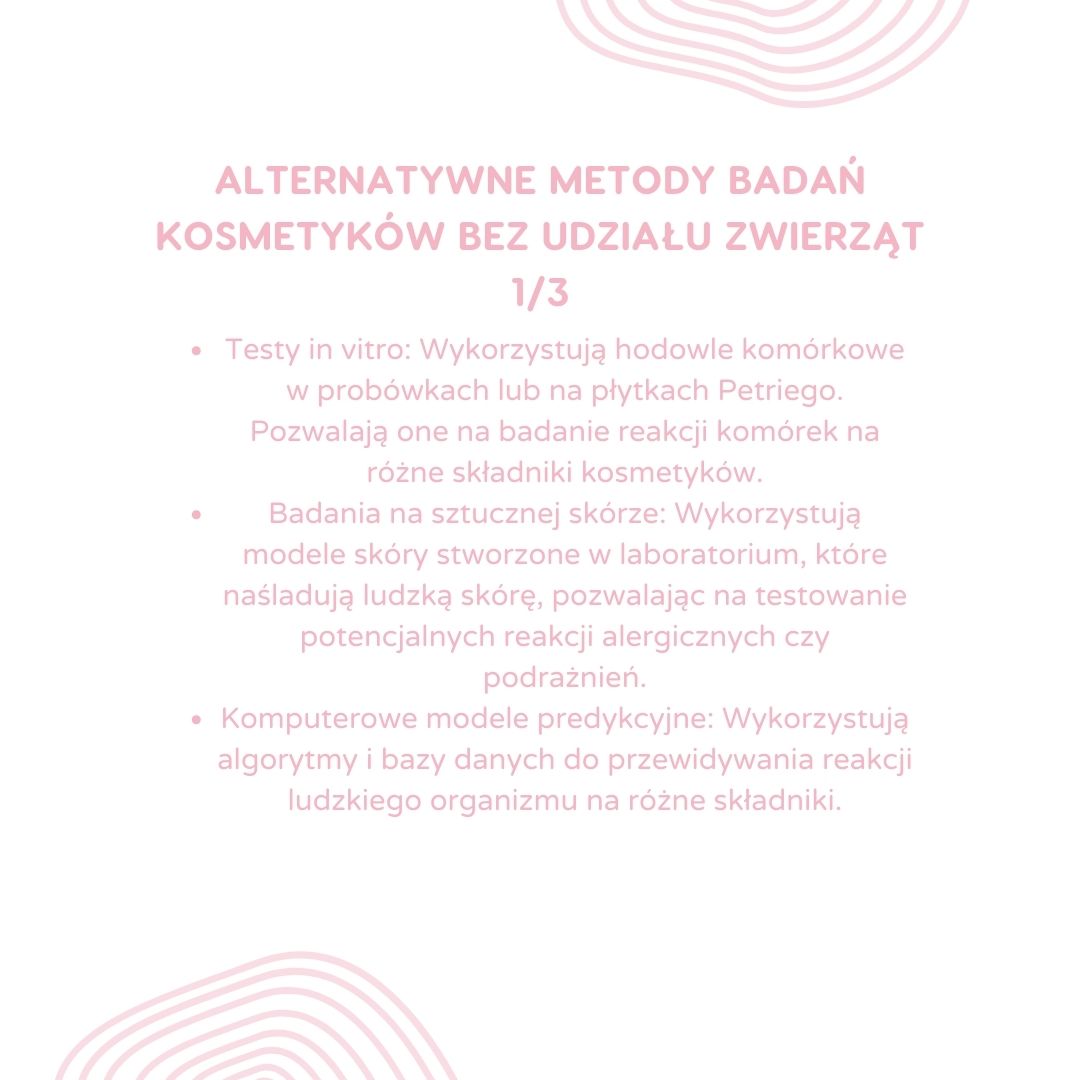
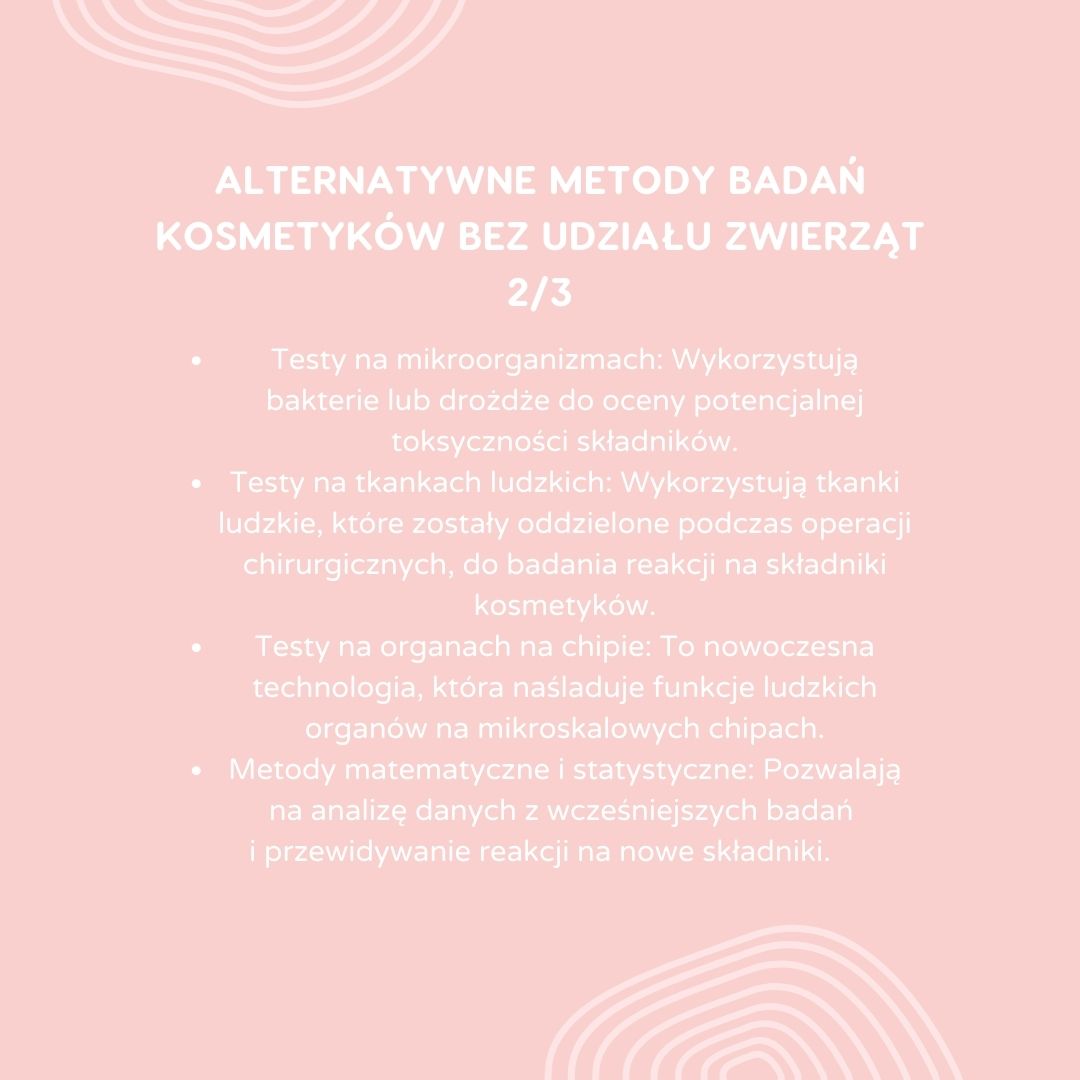
These include testing on artificial skin, in vitro tests or testing on isolated cells. These methods are ethical and safe tests without the participation of animals. There are almost 50 research methods available without animal involvement, and many more are currently being developed.
The superiority of alternative methods over tests involving animals
Compared to animal testing, modern alternatives can better mimic human reactions to cosmetic ingredients and products. They deliver results in a shorter time. Safe tests are more precise, humane and eliminate the need to use animals. Thanks to this, it's a win-win situation: selling cosmetics that are safe for humans is possible.
The ban on testing cosmetics on animals and the European Union
In the European Union, testing cosmetic preparations on animal organisms is prohibited. And the European Parliament itself is doing a lot to make cosmetics not tested on animals a standard across the entire industry. The legal decisions that the European Union took over a dozen years ago were key.
Since 2004, there has been a legal ban on testing finished cosmetic products on animals in the European Union. In 2009, the ban was expanded to include cosmetic raw materials. Since 2013, the sale of cosmetic products whose raw materials were tested this way has been illegal in European Union countries.
Breaking these bans is a crime. Polish brands and those originating from European Union member states strictly adhere to these laws, focusing on innovations and science that allow them to create products safe for consumers, while simultaneously caring for animal welfare.
The end of the fight?
Despite the ban on testing cosmetics on animals in European Union countries, the fight for animal rights is still ongoing. Many cosmetic companies aim for global expansion, and not all countries replicate the European Parliament's approach.
Animal-tested cosmetics in China
Cosmetics not tested on animals are becoming increasingly common, however, there are still countries where cosmetic companies perform such tests. We are talking here, among others, about the Chinese market, where a government laboratory still conducts tests of this type.
However, thanks in part to discussions between EU institutions and Chinese authorities, the requirements for testing on animal organisms are being relaxed. In 2021, Chinese authorities introduced a regulation that had been announced for years: a cosmetic manufactured in China and a cosmetic imported to China can be exempt from testing requirements provided that the manufacturer obtains the appropriate certificates issued by the relevant department in China and receives a positive risk assessment result for product safety.
However, despite the changes, cosmetics not tested on animals are still not standard on the Chinese market. And we hope that Chinese law will be systematically liberalized in this area.
Countries where animal tests may still be ongoing
In Russia, there is no ban on testing cosmetics on animals, and such practices are still common.
In the United States, there is no federal ban on testing cosmetic preparations involving animals. Some states, such as New York, have taken steps towards banning these practices. However, at this moment, such bans only apply in four states: California, Nevada, Illinois, Virginia.
In Brazil, some states, such as São Paulo, have regulations banning testing, but there is no such ban at the national level. The situation looks similar in Southeast Asian countries. In many countries of this region, such as Indonesia, Malaysia or Thailand, there are no bans regarding animal testing.
Other countries that do not test or have already adopted legal regulations
These include Chile or Colombia. Recently, Mexico and Canada joined this group, and new regulations will soon take effect in these countries. Prior to them, similar regulations were adopted in countries such as Australia, South Africa, Guatemala, Switzerland, Israel, Hawaii, and India. It is worth noting that the situation is dynamic and many countries are taking steps towards banning animal testing.
A "cruelty-free" cosmetic - what is it?
The term "cruelty-free" means that the product has not been tested on animals. This term only refers to this aspect of testing or not. This does not mean that a given cosmetic is natural or vegan. A cruelty-free cosmetic can contain, for example, beeswax or synthetic ingredients.
Are vegan cosmetics actually not tested on animals?
Cosmetic preparations that are vegan can be tested or not tested on animals.
Vegan cosmetics do not contain any ingredients of animal origin such as: beeswax, beef tallow, milk proteins or snail mucin (although the list of non-vegan raw materials is obviously much longer).
But this term says nothing about how the cosmetic was tested. A vegan composition is not a guarantee of not testing on animals.
Natural cosmetics vs animal-tested cosmetics
Not all natural cosmetic preparations are "cruelty-free". A natural cosmetic consists of natural raw materials or those of natural origin. The naturalness of a cosmetic also does not guarantee whether the product is vegan.
Are Söppö cosmetics tested on animals?
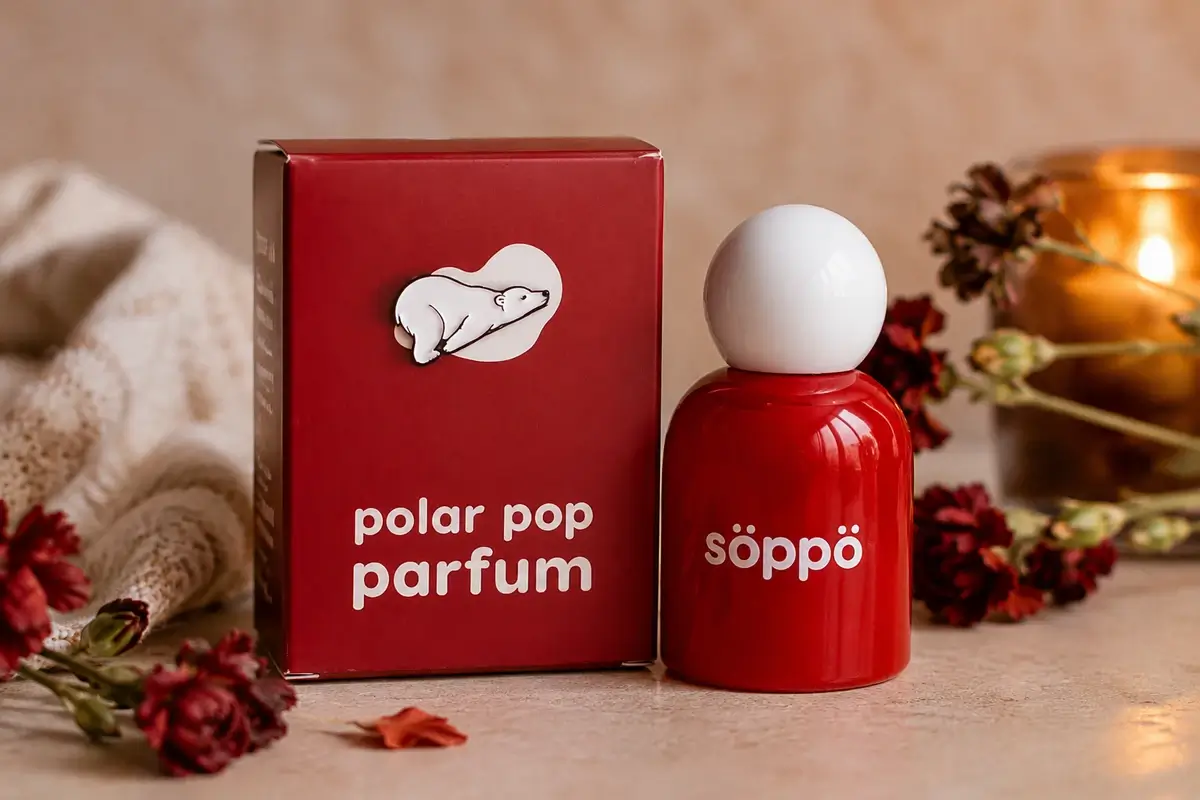
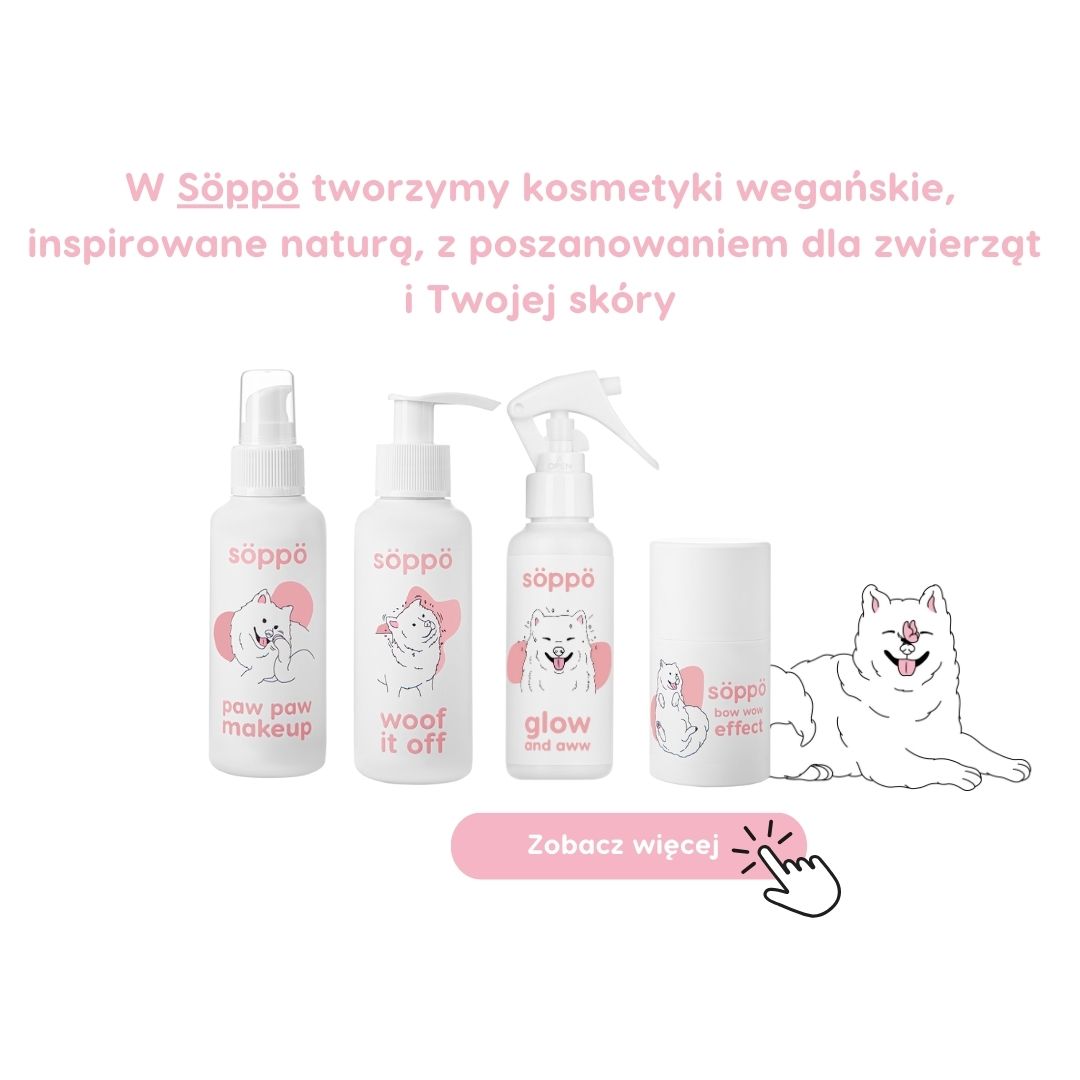
At Söppö, every cosmetic is a manifest of our values. From the beginning, we tell you how very important animals are to us. We love helping them and we love taking care of them. Therefore, we can say with full conviction: no, our cosmetics are not and never will be tested on animals, even if we could do so. For us, animals are unique, their welfare is our priority, on par with you and your skin. That is why choosing raw materials that are not tested on animals and creating cruelty-free formulations is a key element of our brand. But why are there no such markings on our cosmetics? You will find out about this by reading the text to the end.
Are Söppö cosmetics vegan and natural?
The owners of Söppö are vegans. Therefore, it should not surprise you that we create vegan formulations inspired by nature. On the packaging of our products, you will find the image of cute furry friends. However, you will not find animal-derived raw materials in them. For us, every animal has its unique value, and we want our actions to be an expression of deep respect not only for you, but also for them. For Söppö, true beauty is beauty that does not harm.
Cosmetics not tested on animals-does labeling them make sense?
The topic of labeling cosmetic preparations in terms of testing with the use of animals is a subject of frequent questions and speculations. There are various certificates and markings that confirm that a product was not tested on animals. The most popular of them is the bunny symbol. But is it only a properly marked and certified cosmetic that is tested in an alternative way? The answer is no.
As we have already written, in the EU (and not only) there is a complete ban on testing cosmetic preparations in a way that harms animals, applying to all manufacturers. Therefore, a cosmetic produced and sold in the EU, including in Poland (or in another country where similar regulations apply), cannot be tested this way, even if it does not have purchased certificates confirming this.
Can European cosmetic brands mark their products as not tested on animals?
According to legal requirements in EU countries, such testing of cosmetics on animals is illegal, and therefore such markings cannot be used by EU manufacturers, as they may suggest to consumers that preparations without markings are tested on animals, which is against the law.
An exception that allows the use of such markings is the situation if a given manufacturer sells its products outside the EU, as some countries still have a requirement to test cosmetic products on animals. In such a case, the declaration must be supported by transparent criteria, e.g. resulting from a credible certification.
In practice, this means that a product present only on the EU market cannot have such a declaration, which does not mean that it is not tested in an alternative way, without the cruelty used towards animals.
How to recognize cosmetics not tested on animals?
If you find a cosmetic of European production with a bunny symbol, and next to it a cosmetic without this mark, it does not mean that one of them was tested and the other was not. It is important to be a conscious consumer and know the regulations applicable in a given region. And if you still have doubts, you can always ask the manufacturer of the cosmetic about it.
Educate, support and buy consciously
Not everyone is aware that tests conducted on animals are so drastic. Someone might not even be aware that the cosmetic they are using is tested on animals. Talk, share petitions, talk about preparations that are not tested on animals, while remembering one thing: do not judge the choices of others. Instead of criticizing, set an example.