
Autumn perfumes and scent memory – why do our preferences change?
The scent of wet leaves after the rain, freshly brewed tea or cake taken out of the oven can evoke memories that remain somewhere in the back of our minds for the rest of the year. For some people, these are images of their family home, for others, moments spent in a favorite place or memories associated with childhood.
This has to do with the way our olfactory memory works. Scents are strongly linked to emotions and autobiographical memory, which is why even a simple aroma can remind us of a specific place, person or event. In psychology, the phenomenon of evoking memories through scents is sometimes referred to as the Proust effect. Daily rituals are also not without significance. In autumn, we spend more time indoors, we reach for hot drinks more often, and the aromas surrounding us gradually change. These experiences can influence what scents we find particularly pleasant.
That is why autumn perfumes do not mean the same thing to everyone. To one person, the aroma of vanilla will remind them of family evenings, to another, the scent of jasmine will evoke the memory of a holiday trip they would like to return to even in November.
So our preferences do not have to follow the calendar. They often say more about personal experiences than about the current season.
Autumn fragrances do not have to be heavy – why is it worth sticking with fruits and flowers?
When we think of autumn fragrances, it is easy to imagine vanilla, spices and heavier compositions. Meanwhile floral and fruity perfumes do not lose their charm with the end of summer. Their character is often much more diverse than traditional divisions into seasonal fragrances suggest.
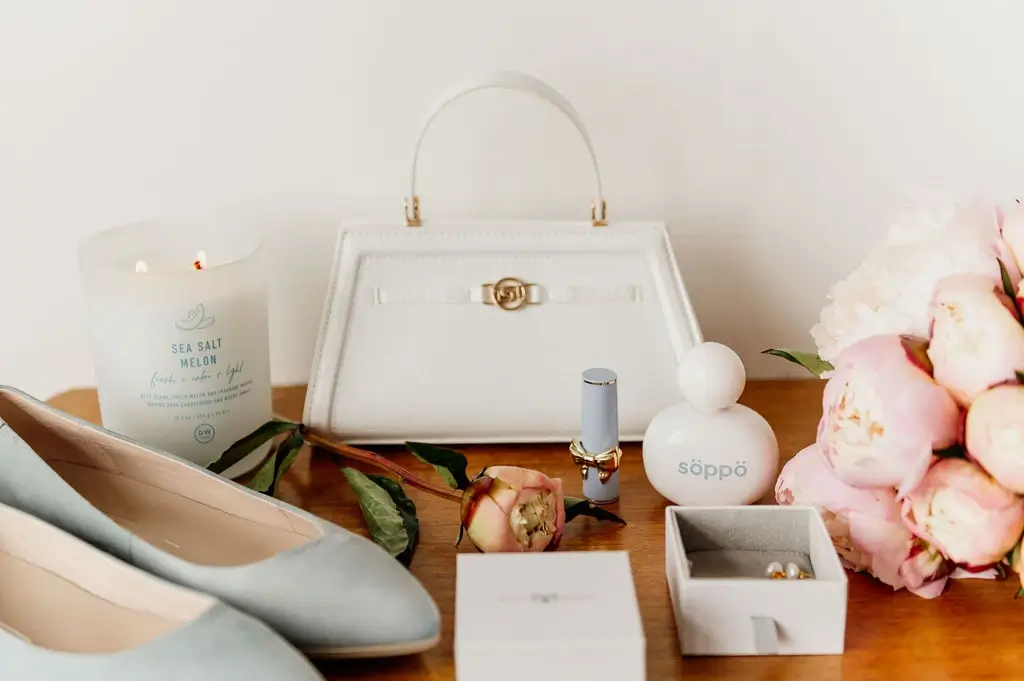
Jasmine can be fresh and luminous, but also intense, almost creamy. Orange blossom brings subtle sweetness, and peony delicate, floral freshness. You will find the latter in our Hush Crush peony scented perfumes, in which we tried to capture the aroma of freshly cut flowers, cool stems and delicate petals. It is a fragrance that evokes the atmosphere of a florist shop full of peonies, even when autumn leaves start falling outside the window.
It is similar with fruits. Pear can smell fresh and juicy, and citrus crisp and refreshing. Ripe cherries and sweet cherries have a completely different face - thick, sweet, sometimes almost liqueur-like. In our perfumes Cherry Bomb dark sweet cherries and Maraschino cherry liqueur meet with rhubarb, roasted almonds and drier accords of tobacco and wood.
We interpret ripe fruit differently in Foxy Nixie, our gooseberry scented monoperfumes. Instead of a complex combination of many notes, the aroma of the ripe fruit itself appears – sweet, vinous, with a delicate accent reminiscent of fermenting fruit. It is a fragrance that shows that even a single fruity inspiration can have a rich, autumn character. It does not need the addition of spices or woody accords to be associated with the end of summer and the beginning of autumn.
Autumn floral compositions can also combine delicate petals with musk or a woody background. This does not mean, however, that every flower needs such an addition. Sometimes it is enough to discover a less obvious side of a well-known fruit or flower to look at a favorite fragrance from a completely different perspective.
Sweet notes in autumn perfumes – milky, creamy and gourmand accords
Imagine the aroma of freshly prepared vanilla cream, a square of chocolate melting on your tongue or warm milk with a hint of caramel. Such associations are close to the world of gourmand perfumes, that is, compositions inspired by flavors, desserts and sweet treats.
However, not all gourmand fragrances smell the same. Chocolate can be deep, expressive and slightly bitter. Caramel brings a more concentrated, sometimes almost burnt sweetness, while vanilla can take on both a dessert-like and a more delicate, velvety character. A separate world are milky and creamy notes, which instead of intense sweetness can build an impression of softness and smoothness. In perfumery, accords involving lactonic substances, associated with milk, cream or creamy fruits, are often used for this purpose.
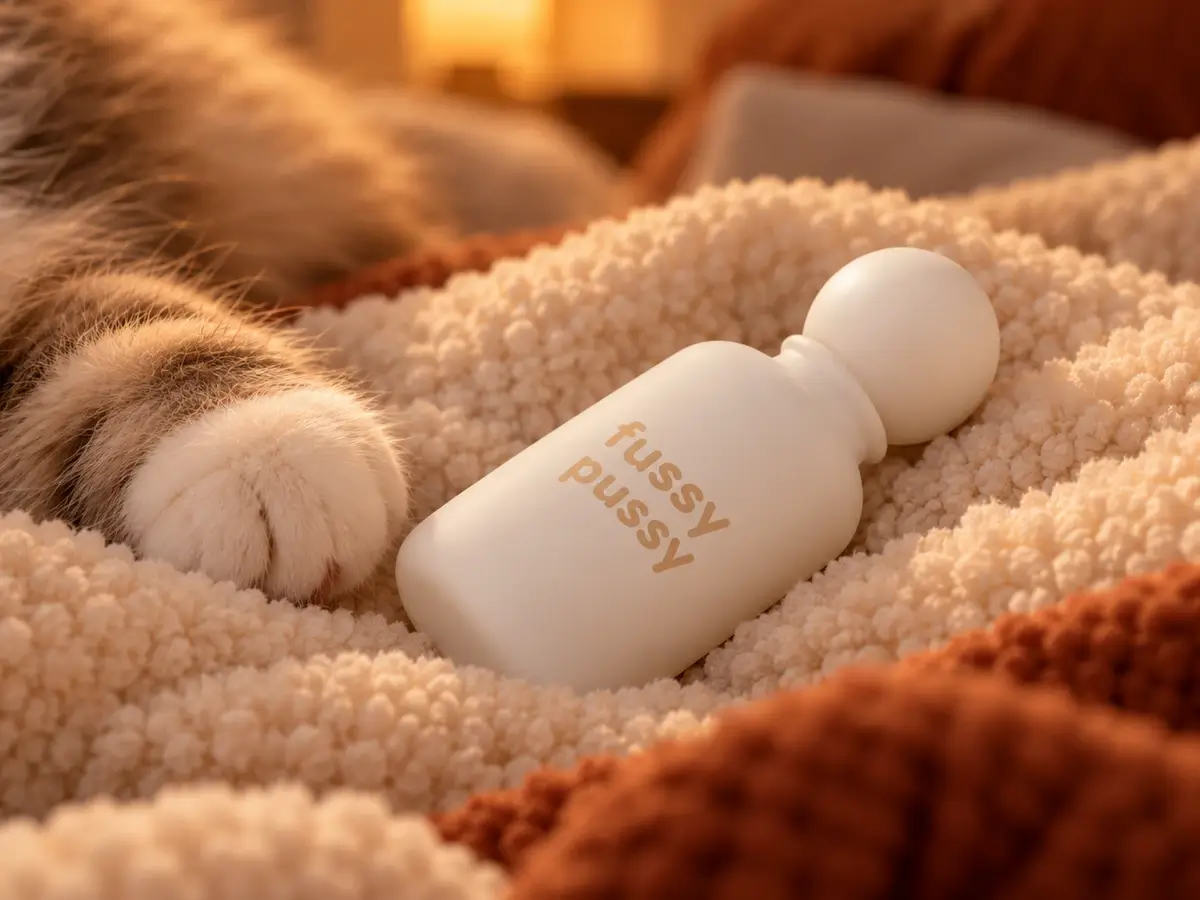
Such multidimensional milkiness can be found in Fussy Pussy perfumes with the scent of milky tenderness by Söppö. The composition starts with creamy sweetness and caramels, then develops accords of creamy yogurt, rice gruel and marshmallows, and the base features vanilla, condensed milk and milky amber.
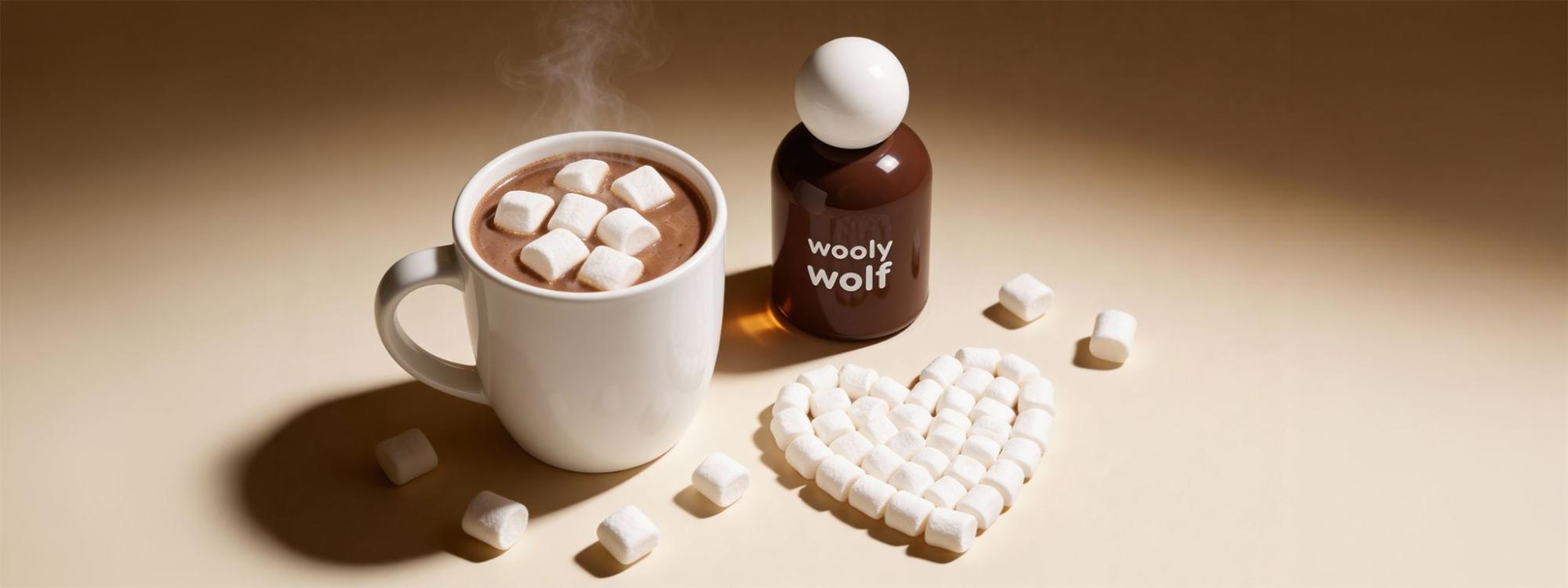
Another interpretation of gourmand pleasures is Wooly Wolf, whose scent evokes hot chocolate with soft marshmallows.
Both compositions show that sweet notes do not have to lead to identical impressions. Some resemble fluffy cream, others a thick dessert. It is this diversity that makes gourmand fragrances fit so interestingly into the autumn atmosphere. They can evoke a feeling of being enveloped, but above all, they offer a wealth of aromas that are worth exploring unhurriedly.
Cinnamon, cardamom and pink pepper – the spicy face of autumn fragrances
Spices in perfumery can be surprising. Although they are often associated with autumn baking and the aroma of the kitchen, their role is not limited to building sweet, warming compositions. They can add spiciness, freshness, dryness or an unobvious character to fragrances.
Cinnamon brings a characteristic spicy sweetness, and cloves a more intense, expressive note. Nutmeg adds a warm, dry accent. Cardamom behaves completely differently, as it can smell fresh, green and aromatic. Pink pepper, on the other hand, often introduces a sparkling, delicately spicy lightness.
Thanks to this spicy perfumes do not have to resemble Christmas gingerbread. Depending on the accompanying notes, they can be elegant, energetic, mysterious or slightly perverse.
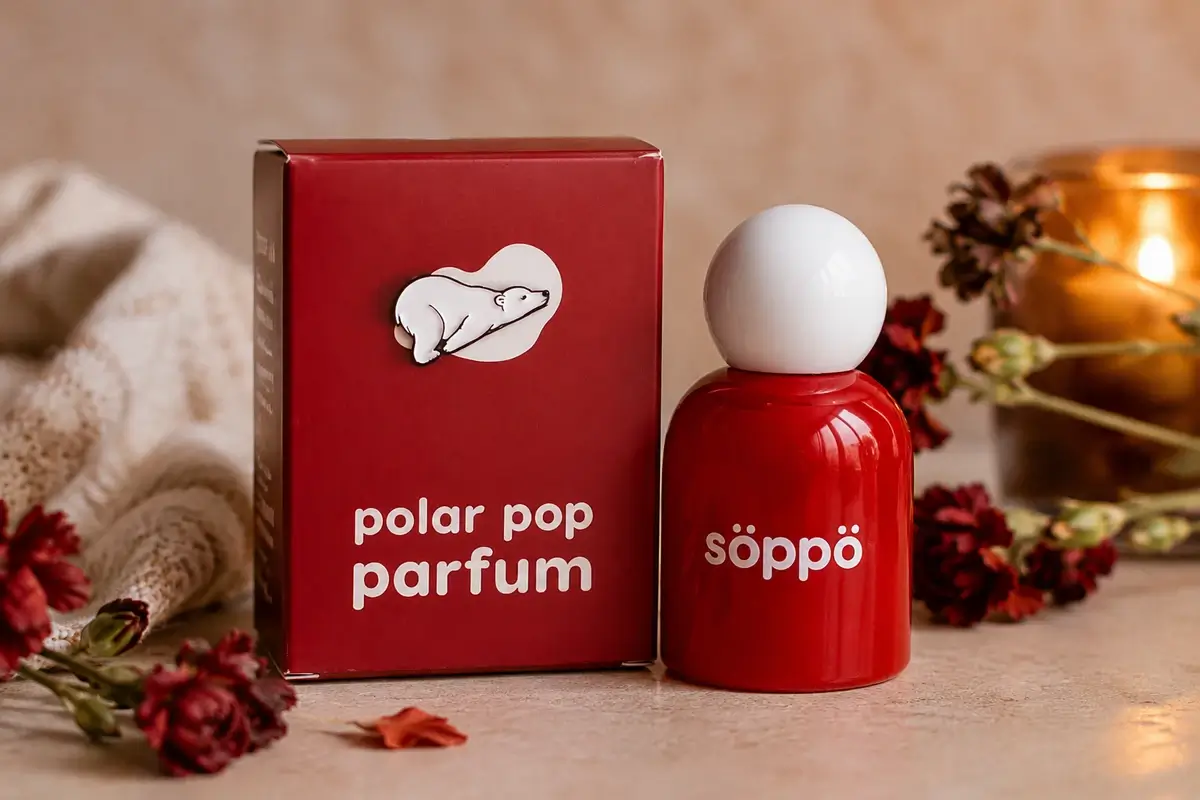
An interesting example is our Polar Pop, which is the scent of spiced cola. The characteristic accord of the drink is combined here with cinnamon, cloves and nutmeg. A combination of sparkling sweetness and spicy depth is created, which evokes associations with winter evenings and family traditions.
It is the spices that give many compositions such a distinct personality. Sometimes they are just a subtle accent, and other times they become the most important part of the entire olfactory story. No wonder cinnamon, cardamom and other spicy aromas appear so often in conversations about perfumes for colder days.
Sandalwood, amber and incense – autumn warmth without excessive sweetness
Not every warmth in perfumes smells of vanilla or chocolate. Sometimes it resembles the wooden interior of an old house, a freshly opened book or the subtle aroma of incense wafting in the air. In perfumes, a similar mood can be created by woody, amber, balsamic and incense accords. Instead of typical dessert sweetness, wood, resins and slightly smoky aromas come to the fore, without the need to reach for distinct sweetness.
Sandalwood has a characteristic, soft and creamy aroma, while cedar smells drier, more austere and somewhat raw. Patchouli can introduce earthy accents. Amber and balsamic accords, in turn, can create an impression of resinous warmth, sometimes with a slightly smoky finish.
In traditional perfumery divisions, such notes are sometimes associated with oriental compositions, currently increasingly referred to as amber. Their character can be soft and subtle or decisive, with clearly perceptible incense or wood.
An interesting example of such a direction are Burboneska perfumes, available in our offer. The aromas of coffee and tobacco leaves meet here with bourbon vanilla, whiskey and a base of sandalwood, leather and ambrette. The composition evokes associations with old libraries, wooden furniture and elegance that does not need grand gestures.
This is exactly the charm of woody fragrances. They can be warm and at the same time dry. Expressive, but devoid of dominating dessert sweetness. This is a completely different face of autumn perfumes, which is worth getting to know regardless of the season.
Do colder days change the longevity and projection of perfumes?
Have you ever noticed that your favorite perfumes smell differently during a chilly walk than in a warm room? It does not have to be solely a matter of mood. Temperature really affects the way fragrance substances are released from the skin.
In warmer conditions, more volatile molecules usually pass into the air faster, which is why the scent may seem more intense and project stronger. Cooler air often slows down this process, which means that some compositions develop more calmly, and their aroma remains closer to the skin.
Cooler air can make the scent less perceptible to the surroundings because the fragrance substances evaporate more slowly. However, this does not mean that perfumes last shorter on the skin. The projection of a fragrance and its longevity are two different matters – a composition may remain perceptible close to the skin, even if it no longer spreads so intensely in the air. That is why it is worth observing how the same perfumes develop on warmer and colder days.
Therefore, instead of looking for one rule, it is worth observing how well-known fragrances behave in different temperatures. Sometimes the same composition can surprise with a subtle nuance that could not be caught before.
Autumn fragrances on your own terms – how to find the perfume for yourself?
Choosing the right perfume does not have to mean searching for a composition that someone deemed perfect for a given season. It is much more interesting to check how we want to smell in everyday situations. Are we looking for something subtle for work? An enveloping scent accompanying long, chilly walks? Or maybe a composition that will be more expressive during an evening out?
It is worth paying attention not only to the aroma itself, but also to the way of its presence. Some people like perfumes perceptible close to the skin, others prefer scents creating a clearer aura. Neither of these choices is more appropriate for autumn. What matters is what you feel comfortable in.
You can also treat the change of season as an opportunity to experiment. You do not need a whole collection of bottles for this. Sometimes it is enough to combine two well-known fragrances to discover their new aspect. This is exactly how perfume layeringworks, that is, the conscious combining of different notes and compositions. It allows not only to create your own combinations, but also to better understand your preferences.
At Söppö, we believe that perfumes should primarily tell a story about the person who wears them. That is why among Söppö fragrances you will find both clear monoperfumes and more complex compositions. Each can become part of a different story.
Because autumn does not have to mean exchanging favorite perfumes for new ones. Sometimes it is enough to allow yourself a bit of olfactory curiosity. And sometimes to discover that the same aroma that accompanied you in July fits beautifully into an October afternoon just as well.
Autumn written in scent – a few words from the founder of the Söppö brand
When I think of autumn perfumes, a list of notes that absolutely must be worn at this time of year does not come to my mind. I am much more interested in what stories people find in fragrances. For one person, autumn will smell of cinnamon and baked apples, for another of jasmine, which reminds them of a September trip. Someone else will wear lilac throughout October, because this aroma brings them the greatest pleasure.
At Söppö, we believe that we do not create perfumes just to talk exclusively about ourselves. We create them so that everyone can find a piece of their own story in them. And this is probably what I like most about fragrances – they do not have to fit the calendar. It is enough that they fit you.
FAQ – most frequently asked questions about autumn perfumes
Do autumn women's perfumes differ from men's?
The division into women's, men's and unisex perfumes is primarily a way of classifying fragrances. In traditional listings, autumn women's perfumes are often associated with flowers, vanilla and sweeter accords, while men's with wood, spices or smoky notes. However, these are not rigid rules. Each of these fragrance families can appeal to people with different tastes, regardless of gender.
Do oriental-floral perfumes suit autumn evenings?
Yes, if their character suits you. Oriental-floral compositions, also referred to as amber-floral, combine floral notes with a warmer background. Iris can bring powderiness, tuberose an intense floral aroma, and bergamot freshness. Amber accords can add depth to the whole. Such fragrances can accompany autumn evenings, but work just as well in other seasons.
How to test autumn fragrances to get to know their character well?
It is best to start with a paper blotter, and then check the selected composition on your own skin. Different perfumes develop at an individual pace, so it is worth waiting a few hours before evaluating them. This way you can get to know not only the first impression, but also the later notes and the way the fragrance lasts on the skin.
Can autumn perfumes be applied to a wool scarf or coat?
Yes, perfumes can also be applied to clothes, where the scent often lasts longer than on the skin. It is a good way to have your favorite aroma accompany you also on your scarf or coat. In the case of light and delicate materials, it is worth testing in an inconspicuous place beforehand, because some fabrics may react to direct contact with perfumes.
How to store perfumes in late autumn and winter?
During the heating season, it is worth keeping bottles away from radiators, sunny windowsills and places exposed to sudden temperature changes. A dry, shaded cabinet or drawer will work best. Stable storage conditions help preserve the character of the fragrance composition for longer.