
Monoperfumes – a fragrance focused on a single note
In the world of perfumes, we are used to the fact that a fragrance is supposed to change. First, the top notes build the initial impression, then the heart notes appear, and finally, the heavier base notes settle closer to the skin, creating a background and longevity. It is a beautiful, multi-layered construction that a perfumer composes from many fragrance notes, taking care of proportions, fixatives, and the role of the background.
Increasingly, however, monoperfumes, or single-note perfumes built around one note, are attracting attention. Contrary to appearances, this does not mean the presence of just one ingredient. Fragrance compositions of this type are also made from several components, but they all serve one note – they strengthen it, stabilize it, and allow it to resonate clearly. They do not compete with each other, do not create complex compositions and contrasts, but rather guide the nose in a single direction.
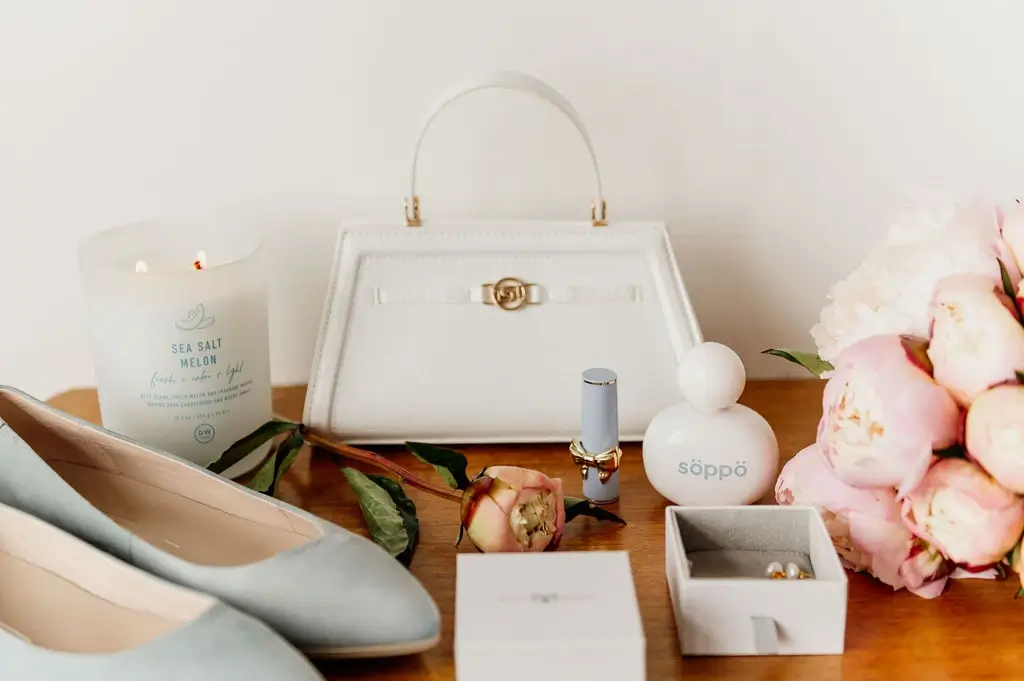
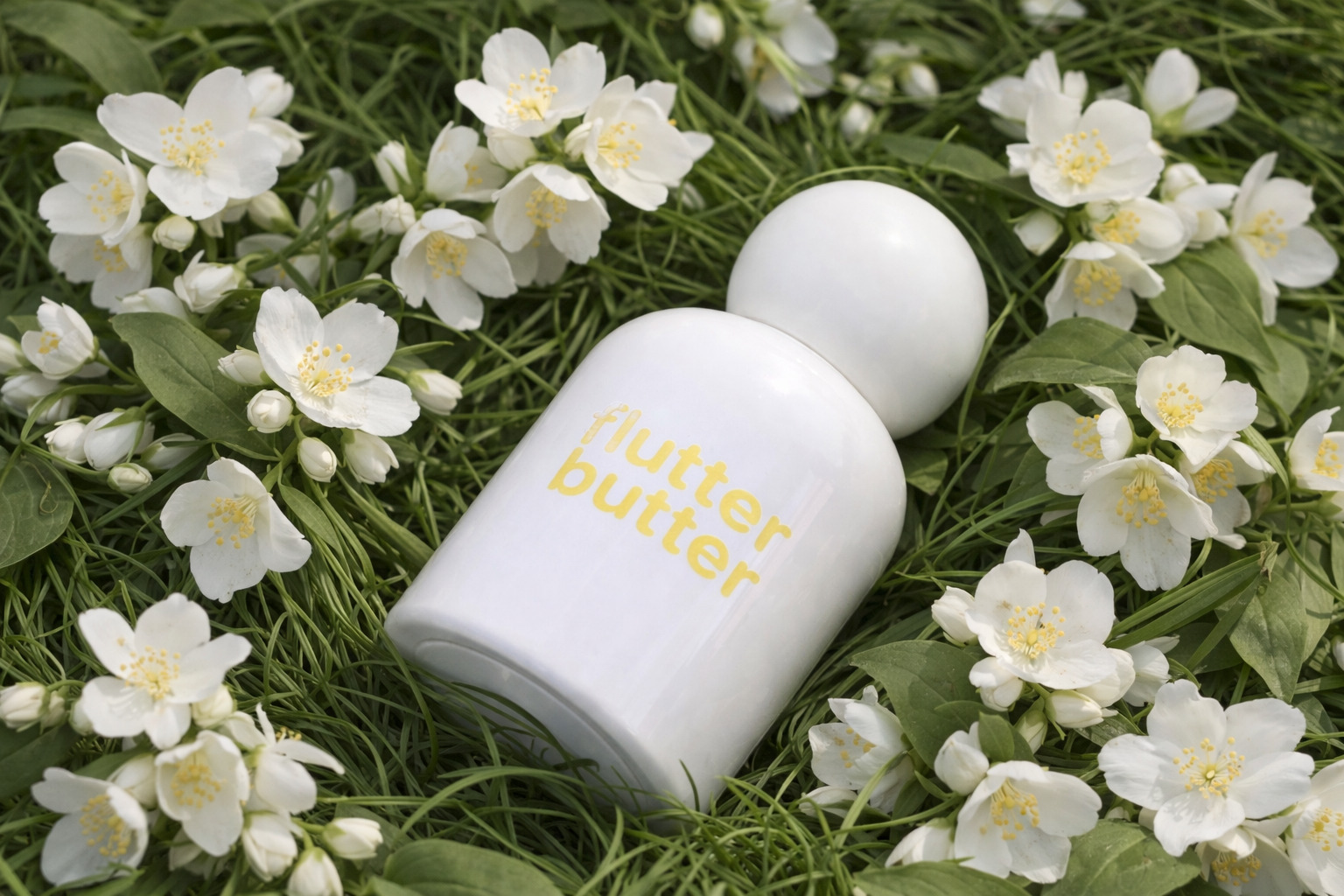
Söppö monoperfumes are an example of such an approach to simplicity. The scent of lilac in Doggy Siren or jasmine in Flutter Butter do not change their character after several minutes – they remain true to their single note, allowing you to focus on one impression. Such linearity is sometimes an answer to an excess of stimuli: instead of analyzing whether it's already the heart or still the top, we can simply check if you truly like this aroma.
Single-note perfumes are often treated as nose training. It is easier to understand what peony, lavender, or bubblegum smells like when they are not covered by heavier woody notes or spicy accents. It is also a way to discover your own fragrance – the one that does not need many layers to evoke an impression of purity and coherence. Thanks to such training, over time it is easier to catch the same notes in more complex compositions, even if they were previously difficult to unambiguously identify.
Classic compositions – fragrance as a story in time
Although monoperfumes attract attention today with their simplicity, classic compositions still remain an important part of the perfume world. They teach us that a fragrance can be a story written in stages. First come the top notes – fresh, often citrusy, or slightly aquatic floral accents that build the first impression. After a moment, the heart notes, which are the true heart of the composition, come to the fore. This is where flowers, herbs, or spicy nuances most often resonate. At the end remain the heavier notes – woody, velvety oakmoss, patchouli, or sandalwood – which are responsible for longevity and depth.
Such fragrance compositions tend to be more complex, and their perception changes over time. A perfumer working on classic perfumes selects fragrance notes in such a way that each has its place – some create the top, others build the role of the background, and still others fix the aroma closer to the skin. Cardamom can provide a fresh, slightly spicy accent, orange blossom can introduce luminous freshness, and sandalwood or oakmoss can anchor the whole in a calm, earthy base.
With complex compositions, it is easier to convey contrast: a sweet and spicy gourmand character with a hint of cinnamon and pepper, cool lavender paired with a warm amber base, or a gently sweet floral heart set on a woody foundation. For many people, it is precisely this variability that is the essence of the perfume world.
It is worth noting, however, that the growing interest in clear, pure notes does not mean the rejection of classic compositions. Rather, it shows that we are increasingly looking for choice - sometimes we want a fragrance that tells a story over time, and sometimes one that remains true to a single note and a single impression from start to finish.
Why are we returning to pure notes?
In recent years, a subtle shift can be noticed in the fragrance world. It is not about a revolution or the rejection of classic perfumes, but a shift in sensitivity. In times of sensory overload, we increasingly look for something that allows us to focus on a single impression – without the need to analyze many layers and contrasts.
A simple aroma can act like a freeze-frame. The scent of lilac, such as in Doggy Siren, does not need a complex structure to evoke emotions. The lilac aroma is clear: slightly green, fresh, with floral softness. It does not distract, it does not change rapidly – it remains true to a single note. Similarly, jasmine, which can be creamy, gently sweet, and at the same time expressive. When we focus on a single note, it is easier to answer the question of whether this is a fragrance you truly like.
Increasingly, we also return to gourmand notes – such as bubblegum or chocolate – because they evoke taste and memory. A sweet and spicy accent of cinnamon, the aroma of fresh laundry, or even damp earth associated with rain build a very specific impression. You do not need to identify all the fragrance notes to feel emotions.
This need for clarity may stem from the everyday rush. When everything around is multi-layered and intense, simplicity in a fragrance provides a sense of purity and peace. Instead of wondering which notes are currently on top and which constitute the heart of the composition, we can focus on one aroma and check how our body reacts to it.
This does not mean that we stop being interested in complex compositions. Rather, we learn that the perfume world offers different paths – and sometimes the simplest of them turns out to be the most intuitive.
How to compose your own fragrance in the world of simple notes?
The return to clear compositions does not mean giving up on creativity. On the contrary – when you know a single note really well, it is easier to consciously compose your own fragrance. It is easiest to start with monoperfumes. If you know that you truly like jasmine, the scent of lilac, or gently sweet gourmands, you can see how a given note behaves on your skin – without competition from other accords.
Single-note perfumes allow you to understand how an aroma works closer to the skin and how its longevity changes throughout the day. This is also a good starting point for combining fragrances. Working with complex compositions is sometimes more demanding, because each of them already has its own top notes, heart notes, and heavier base notes. A single, clear note gives more control over the final result.
Increasingly, there is also talk about what care layering is. It is building a fragrance background through body products – lotion, soap, or bath preparations in a similar fragrance direction. Moisturized skin better "holds" the aroma, and the fragrance develops more evenly. A lotion can act as a subtle carrier that enhances longevity without excessive projection. It is in this spirit that the Doggy Siren line has received not only a lilac-scented perfume, but also a fluffy body lotion and soap with the same scent, which allow you to build a cohesive, floral fragrance background even before applying perfume.
To compose your own fragrance is not to follow a trend, but to observe your own reactions. Are fresh, citrusy accents closer to you, or rather a woody and velvety foundation? Do you prefer a purity associated with fresh laundry, or spicy notes with cardamom and cinnamon? The fragrance world offers many possibilities, but ultimately it is your impression that decides which aroma will become your own fragrance.
From idea to bottle – how is a fragrance composition created?
Although we are talking about the simplicity of a single note, behind every fragrance there is a process that is rarely simple. Regardless of whether they are monoperfumes or more classic fragrance compositions, a perfumer works on the whole. They choose the notes, decide on the proportions, and determine which ingredients will act as the background and which will build the heart of the fragrance.
In the case of single-note perfumes, the challenge is to maintain the purity of the theme. If a composition is based on the scent of lilac, jasmine, or peony, all elements must support this one note and not distract from it. Additional molecules, fixatives, or technical accents are meant to emphasize the character without changing it into something else. It is a balance between simplicity and stability.

With more complex compositions, the process looks different. Here, orange blossom is combined with cardamom, lavender with sandalwood, patchouli with oakmoss, or cinnamon with other spices. A structure is created in which the top notes form a fresh surface, the heart notes build the emotional center, and the woody and heavier notes settle closer to the skin, taking responsibility for longevity.
An important element is also responsibility. More and more brands are opting for vegan formulas and conscious ingredient selection. The bottle becomes not only packaging, but a carrier of the story – a material trace of the work on a composition intended to evoke a specific impression.
Regardless of whether we choose a fresh and aquatic floral fragrance, or a sweet and spicy gourmand with a hint of chocolate, behind every aroma is a decision about direction. And the world of perfume remains a space where technique meets emotion – sometimes in a single note, sometimes in an elaborate story.
Frequently Asked Questions
1. How do monoperfumes differ from classic compositions? ▼
Monoperfumes are single-note perfumes, focused on one leading note. Although there is more than one ingredient in the formula, all elements support the same note and do not change its character over time. Classic fragrance compositions are built from many fragrance notes – from top notes, through heart notes, to heavier base notes – thanks to which they develop in stages.
2. Do heavier notes always mean greater longevity? ▼
Heavier notes, such as sandalwood, oakmoss, or patchouli, usually linger closer to the skin longer than a fresh citrus accent or aquatic floral compositions. However, the longevity of a fragrance also depends on its concentration, skin type, body temperature, and the method of application.
3. Why does the same aroma smell different on different people? ▼
Every body has a different pH, hydration level, and temperature. These factors influence how notes develop and what impression the fragrance leaves behind. Therefore, the aroma of lilac, jasmine, or a sweet and spicy gourmand may be perceived slightly differently by different people.
4. Are single-note perfumes suitable for everyday use? ▼
Yes, many people choose single-note perfumes precisely for everyday use. Their clarity and purity make them easier to adapt to situations. They can be worn on their own or form a base if someone wants to compose their own fragrance through subtle care layering using a lotion or other body products.
Author's Voice
When I started my journey in the perfume world, complex compositions fascinated me. Their structure, working on the notes, the balance between the heart and the base – all of this was like a language to me that I wanted to learn. Over time, however, I began returning to simplicity more and more often. To a single note that does not need many layers to evoke emotions.
The scent of lilac reminds me of a specific place and the light of a spring afternoon. Jasmine represents to me the silence of a summer evening. Even damp earth after the rain or gently sweet gourmand notes can make me pause for a moment. I understood that I am not always looking for a story written in three acts. Sometimes I want a single impression – pure, clear, close.
I do not believe that the fragrance world should have to choose between simplicity and complexity. To me, it is more important for a fragrance to be authentic to itself and to the person wearing it. If you truly like a single note – let it resonate. If you love multi-layered classic compositions – there is a place for them too.
The perfume world does not have to be a race. It can be a space of mindfulness.
The article is for informational purposes and relates to products available in the Söppö brand's offer.