
Not necessarily. Thanks to layering, you can completely change the character of your favorite summer perfumes without losing what you like most about them. Juicy passion fruit can start to resemble a creamy cocktail, and watermelon or gooseberry combined with hot chocolate can evoke associations with chocolate-covered fruits. Autumn doesn't have to mean giving up summer fragrances, but it can be a great opportunity to discover their entirely new facets.
If you don't want to part with summer perfumes or are just starting to experiment with combining fragrances, you'll find practical tips here on choosing notes, application order, and proportions.
How does temperature affect the perception of fresh and light perfumes?
The scent of juicy orange, fresh flowers, or green leaves often evokes memories of sunny days. In turn, vanilla, amber, musk, and spices are associated with softness, warmth, and long evenings. However, such associations are very personal. After all, there is no rule stating that certain fragrance notes can only be worn in the summer, and others should be saved for autumn or winter.
Ambient temperature indeed affects the way we perceive perfumes. In the warmth, fragrance substances usually evaporate from the skin faster, making the aroma more noticeable in the air around us. When it gets colder, this process is slower, and the scent may seem more subtle. However, this does not mean that perfumes automatically become less long-lasting. They can remain on the skin just as long, even if their projection, which is the intensity of the scent spreading around us, is lower.
Not only does the intensity of the perfumes change, but also the way we perceive individual aspects of the composition. Fragrance ingredients vary in volatility, which is why temperature can affect the proportions in which they are released from the skin. In warmth, fresh, more volatile accords can mark their presence faster, while in cooler air their development can be more steady. As a result, a well-known scent can give a slightly different impression depending on the weather, although the composition itself remains unchanged.
Where we wear perfumes also matters. We may perceive the same aroma differently during a walk in cool air, and differently after entering a heated room. Skin temperature, air movement, or layers of clothing can affect how the scent reaches our nose. Sometimes taking off a warm sweater after coming home is enough to once again feel the aroma that remained almost imperceptible outside.
This doesn't mean, however, that summer perfumes lose their charm with the end of the holidays. Jasmine still retains its floral character, citruses remain crisp, and delicate rose or magnolia can be pleasant company even on a cloudy day. It is worth observing how your favorite scent develops on the skin in different conditions. Perhaps it is during the first cooler mornings that you will discover nuances in it that you hadn't noticed before.
Perfume layering – How to change the character of summer perfumes?
Layering is a technique of combining perfumes, thanks to which you can change the character of already known fragrances and create your own unique compositions. Sometimes one additional note is enough for a fresh, fruity aroma to become creamier, for a floral one to gain delicate sweetness, and for a light composition to acquire a spicy accent. You can also experiment with proportions, deciding which scent should play the main role and which should be a subtle background for it. Thanks to this, your favorite summer perfumes can gain a new facet, without losing their recognizable character.
At Söppö, such experimenting is part of consciously exploring fragrances. Monoperfumes allow you to focus on a selected note or accord, and then observe how it changes under the influence of another composition.
Importantly, each fragrance can be worn on its own. Layering is an additional option, not a necessity. After all, you don't have to create a complex combination to enjoy the pure aroma of lilac, jasmine, or hot chocolate.
If you want to learn more about this technique, read our guide on perfume layering and combining mono-fragrances. This is a good starting point for further fragrance experiments.
Fresh perfumes with a soft, musky background
If you like citruses, neroli, or green aromas, you can try pairing them with white musk. Such an addition can soften the crisp character of the composition and give it a softer finish.
Sandalwood is also an interesting direction. Its creamy, woody profile can make a light scent slightly more enveloping, without losing its freshness.
Fruity notes in a milky version
Juicy raspberry, blackcurrant, or wild strawberry can gain a different character accompanied by milky or vanilla accords. Instead of just fruity freshness, an association with a dessert, cream, or fruits dipped in a delicate cream appears.
Such combinations are characteristic of the gourmand direction, meaning fragrances that evoke aromas known from the kitchen and sweet pleasures.
In the Söppö collection, an interesting starting point for your own trials can be Mog Them wild strawberry perfumes. Their juicy, fruity character combined with Fussy Pussy milky perfumes can evoke associations with a strawberry shake or pink, cream-and-fruit candies.
A completely different effect is achieved by combining Mad Gut perfumes with the scent of passion fruit and Fussy Pussy. Interestingly, several of our clients independently noted that this duo reminds them of the Porn Star Martini cocktail. They were the ones who suggested this association to us! Thanks to this combination, the very summery, juicy scent of passion fruit gains a creamy, dessert-like facet.
Fruity notes in a chocolate version
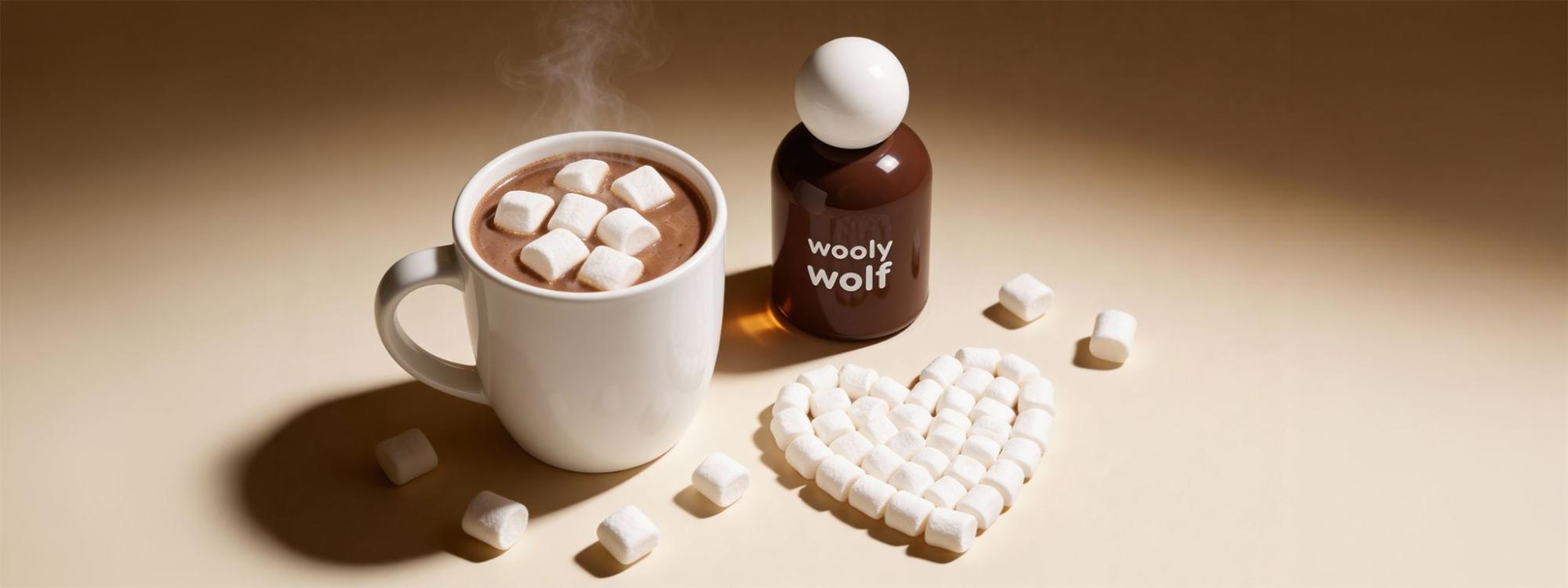
Milky notes are not the only way to give fruity perfumes a dessert-like character. An equally interesting experiment is combining them with Wooly Wolf, which are perfumes with the scent of hot chocolate and marshmallows.
Try pairing them with Thirst Trap with the scent of juicy watermelon or Foxy Nixie, which smells of ripe gooseberry. In both cases, the chocolate layer can completely change the perception of well-known fruits, evoking associations with fruits dipped in chocolate.
This is a good example of the fact that you do not have to give up summer fragrances with the arrival of autumn. Sometimes one additional bottle is enough to discover them all over again.
Floral perfumes with a touch of depth
Rose, jasmine, magnolia, or peony do not have to appear exclusively in light compositions. Combined with amber, musk, or woody accords, they can gain a softer, more sensual character.
If you prefer drier combinations, you can experiment with cedar or patchouli. These notes can introduce an earthy or woody depth. Spicy accents, such as cloves, are yet another option, although due to their distinct aroma, it is worth adding them sparingly.
If you like floral aromas, you can start experimenting with Hush Crush, which are peony-scented perfumes. Their character evokes freshly cut flowers, delicate petals, and cool, green stems. It is an interesting starting point to check how a single floral note performs in the company of a warmer accord.
These are suggestions for fragrance directions, not universal recipes. Each composition has its own structure, which is why even seemingly similar combinations can develop differently.
Wooly Wolf + Fussy Pussy – when hot chocolate meets milky softness
There are scents that can evoke very specific memories. Hot chocolate after returning from a cold walk, fluffy marshmallows slowly melting in a mug, a favorite sweater with slightly too long sleeves. It is exactly in such a world of associations that Wooly Wolf finds its place.
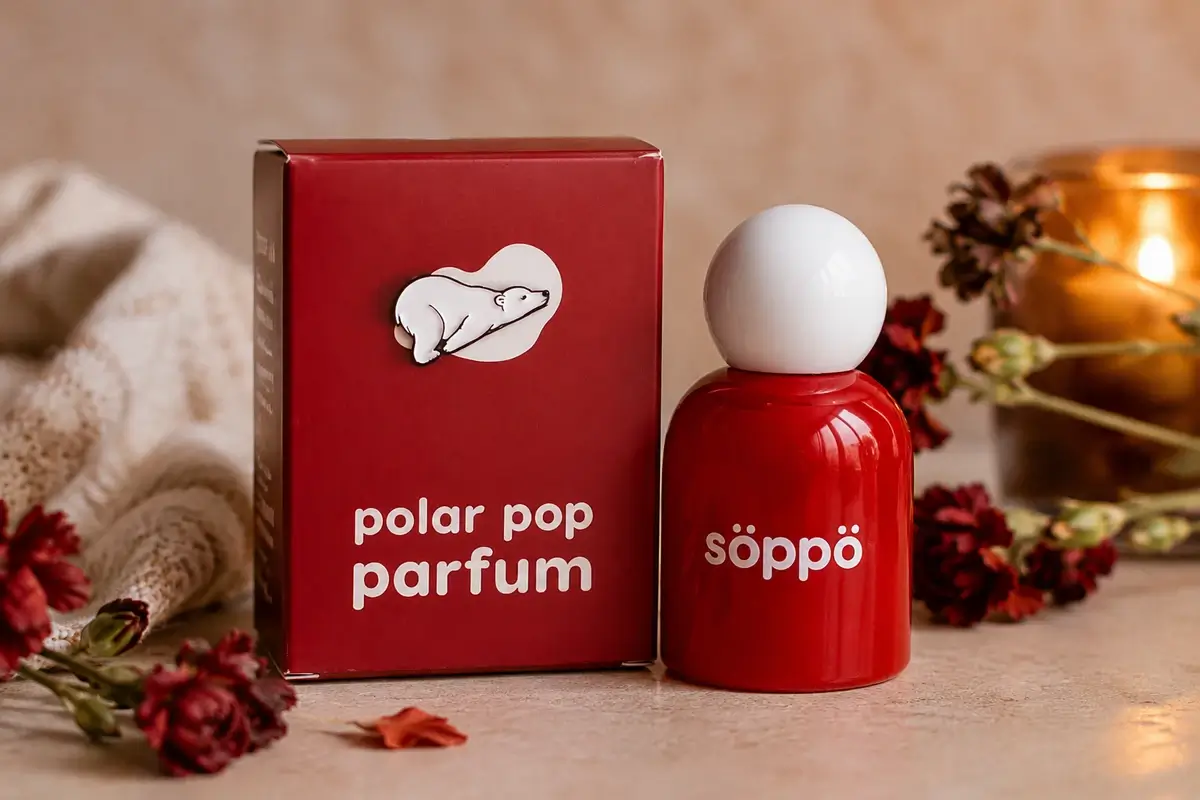
These are perfumes with the scent of hot chocolate and marshmallows. Cocoa gives them a thick, dessert-like character, and the soft sweetness of marshmallows introduces a pleasant impression of fluffiness. On its own, Wooly Wolf is distinctly gourmand – warm, chocolatey, and full of nostalgic associations.
Fussy Pussy tells a slightly different story. Its milky aroma is more delicate, creamier, and close to the skin. It does not need distinct additions to have its own character.
And what happens when both scents meet on the skin?
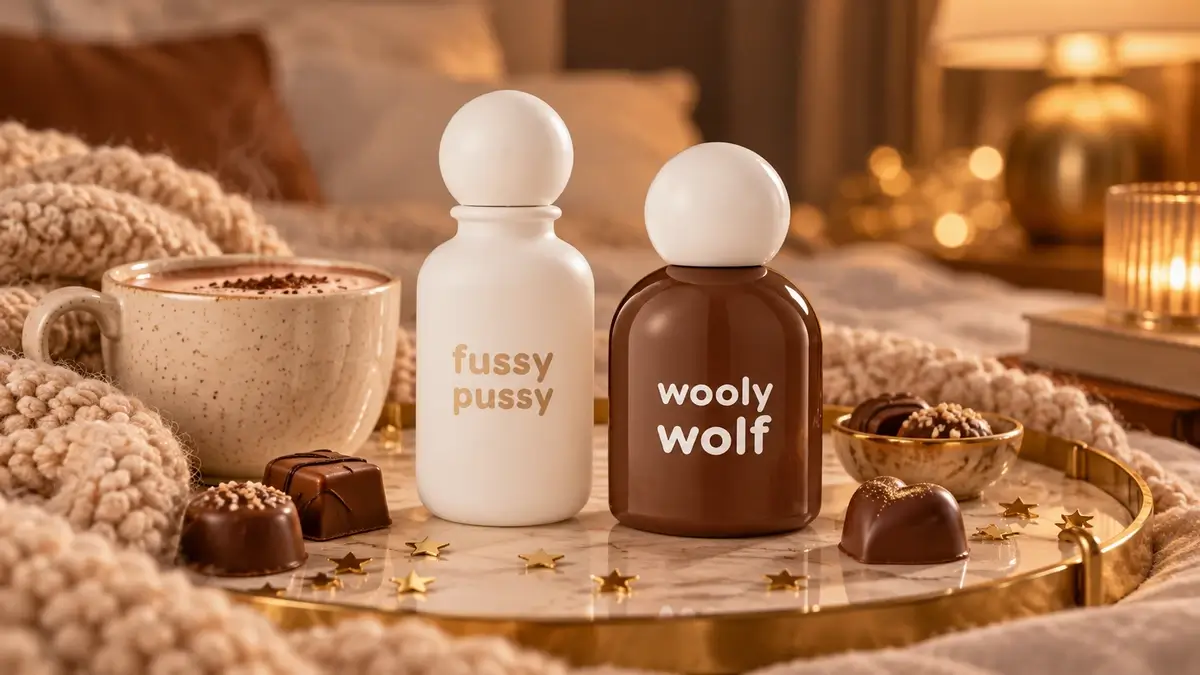
The chocolate sweetness of Wooly Wolf can gain a milkier, smoother finish. Fussy Pussy introduces creamy softness to the composition, thanks to which the whole evokes the association of a chocolate milkshake. It is precisely on such a combination that Chocolate Milkshake – Wooly Wolf + Fussy Pussyis based, which is one of the fragrance recipes from the Söppö Layering Masterclass.
This duo is not an example of changing fresh, summer perfumes into autumnal ones. It shows something equally interesting: how two independent fragrances with a warm character can create a new, creamier version.
How to experiment with perfume layering? Order, proportions, and the zonal technique
You don't need a collection of a dozen bottles or specialized knowledge to start combining fragrances. Two favorite aromas and a bit of patience are enough. However, it is worth knowing a few simple rules that make consciously composing successive layers easier.
A good starting point can be Söppö monoperfumes, which are compositions focused on one recognizable note or accord. Thanks to their clear character, it is easier to observe what changes after adding a second aroma. You don't have to create extensive pairings – just two scents allow you to discover many different possibilities.
Which scent to start with?
One popular method is applying perfumes from heavier to lighter ones. As a first layer, a composition based on vanilla, amber, musk, or woody notes can appear. Then you can add a fresher, floral, or fruity accent.
Such an order is helpful when you want a deeper background and a more distinct, lighter accent. However, it is not mandatory. Some pairings work better in the reverse order, so it is worth comparing both methods.
During the first attempts, it is good to start with small amounts of perfumes and adjust the proportions only later.
What is the zonal perfume application technique?
You don't always have to apply two scents exactly in the same place. The zonal technique involves applying different perfumes to separate areas of the body.
For example, you can apply one scent to the wrists and another to the neck. Then the compositions maintain greater separateness, and their aromas may only meet in the air surrounding you.
This is an interesting option for people who want to combine two distinct compositions, but not necessarily create one common accord from them.
Does skin hydration matter?
Well-hydrated skin often promotes a longer-lasting scent. If your skin is dry, you can reach for an unscented lotion or a care product with a similar fragrance profile before applying perfumes.
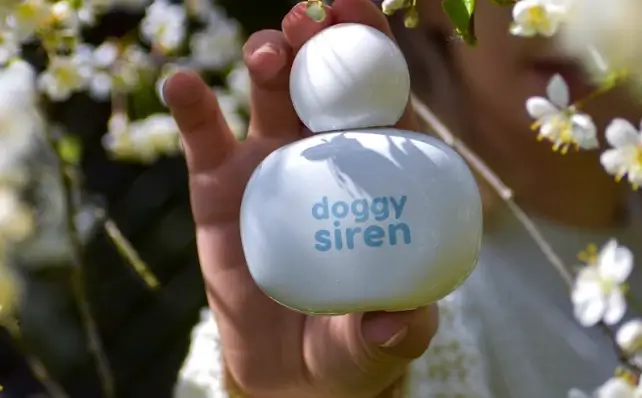
An interesting example of care layering is our Blubber Fluffer lilac-scented body lotion, whose scent refers to May lilac. You can combine it with Doggy Siren perfumes, creating a cohesive, floral composition, or treat it as a delicate background for experimenting with other aromas. It is a simple way to introduce an additional fragrance layer already during daily care.
Lotions, mists, or body oils can complement such a ritual, although not every combination will provide the same effect. It is also worth giving the perfumes time to develop. The first impression after application may differ from the one that appears after a dozen or so minutes.
From Maria, the founder of Söppö – discovering your own fragrance language
At Söppö, the starting point for thinking about perfumes is the human. Their memories, associations, and emotions. The same aroma can remind one person of a holiday walk, and another of a childhood garden. There is no single correct interpretation of a scent, just as there is no single way to wear it.
That is exactly why layering holds a special place in the brand's philosophy. It allows not only to create new combinations, but also to better get to know your own taste. To check which notes we like on their own, which attract us in pairings, and which we prefer to leave without additions.
You don't have to subordinate perfumes to seasonal rules in the process. A scent that accompanied you during a summer trip can stay with you when the days get shorter. If you love the scent of watermelon, why should you stop wearing it just because August is over? You can still smell of pure watermelon or see what happens when you combine it with hot chocolate.
And that is exactly what we love layering for. It's not about matching perfumes to the calendar, but about discovering how many different possibilities are hidden in the fragrances we already know. Autumn is simply another opportunity to experiment.
Perhaps the most interesting thing about perfumes is that they allow you to return to familiar memories, and at the same time create new ones. One note can remind you of a place, another of a specific moment, and their combination can become part of an entirely new story.
FAQ – perfume layering for cooler days
How to choose fragrance notes during layering?
It is best to be guided by the character of the composition and your own preferences. You can pair scents with a similar profile or look for contrasts, e.g., between fresh citruses and soft woody notes. If you are just starting, try two scents instead of three or four. It is then easier to recognize how individual notes affect the final result.
Does layering allow you to create unique fragrance compositions?
Yes. Even small changes in proportions can affect the perception of the scent, thanks to which you can create unique compositions tailored to your own taste. They do not have to be complex or particularly intense. Sometimes a delicate accent of a second perfume is enough for a familiar aroma to gain a new resonance.
Does the order of applying perfumes during layering matter?
It can matter, especially for the initial perception of the scent. A popular solution is the application of a heavier composition before a lighter one, but it is not a mandatory rule. It is also worth trying the reverse order and comparing the effects. The result is also affected by the proportions and the interval between applications.
Can layering increase the longevity of perfumes?
Layering can make the scent be felt longer if one of the compositions contains ingredients with lower volatility. However, this does not mean the automatic prolongation of the longevity of each of the fragrances used. Their formulas, the concentration of the fragrance composition, and the method of application are of great importance.
Is it better to combine perfumes on the skin or use the zonal technique?
Both methods are possible. Applying perfumes in the same place promotes the perception of both compositions as a common accord. The zonal technique, which is the application of different scents to separate parts of the body, allows them to maintain greater separateness. It is best to try both methods and see which one suits you better.