
Aromachology is a topic that increasingly appears in conversations about how we perceive scent and why some aromas stay with us longer than others. Although perfumes are usually described by notes and fragrance families, in everyday experience they very often work differently: they are recorded as memories, images, associations, and small moments that are difficult to immediately translate into technical language. That is why the impact of scents is often described today not only by the composition's ingredients, but also by emotions, memory, and the way aromas fit into our everyday lives.
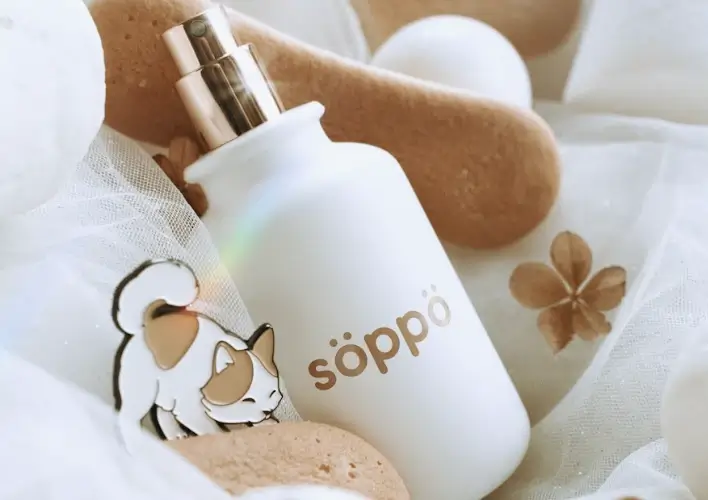
In the case of Söppö, this way of thinking about scent resonates particularly naturally. Here, aromas are not guided solely by a classic description of notes, but also by atmosphere and associations: an evening jasmine garden, the first warm day smelling of lilac, hot chocolate after returning from a frosty walk, or a milky, very close-to-the-skin softness. Thanks to this, fragrance becomes something more than an accessory. It begins to function as part of a memory, a mood, and a personal perception of the world.
It is exactly in this space that aromachology appears — an interdisciplinary field of science that looks at the relationship between scent, perception, memory, and human emotions. This is an interesting topic not only from the point of view of perfumes, but also of everyday experiences, because it allows us to better understand why some scents so easily trigger memories and why they are so strongly tied to our perception of places, moments, and people.
Why do we so often remember scent through associations?
Scent very often appears in memory faster than words. Before we recognize a specific note, before we name an aroma or try to assign it to a specific family, an association appears. Sometimes it will be a season, sometimes a fragment of space, and sometimes a memory from the past that returns suddenly and for no apparent reason. That is exactly why some scents are so strongly recorded in memory: not only as aromas, but as experiences.
The impact of scents on the perception of everyday moments does not have to mean a spectacular reaction. It often acts subtly, through the senses, images, and cognitive processes that connect an aroma with what we already know. For one person, lilac may mean the beginning of May and a garden, for another, the silence of a long evening or the air after rain. Jasmine can be associated with the night, soft light, and the tranquility of a moment, and a milky composition with closeness, warmth, and the private world of scent. It is precisely this associative dimension that makes aromas so strongly connected to memory and emotions.
It is not without reason that scent is considered one of the most suggestive stimuli. It is a sense particularly strongly connected to memory, which is why memories recorded by aromas can be so durable and so intense in perception. This is exactly where the topic of aromachology begins: in the observation that scent affects our experience of the world not only as a pleasant smell, but also as a carrier of meanings, memories, and human emotions.
What is aromachology? Definition and scope of the concept
Aromachology is an interdisciplinary field dealing with the relationship between scent and the way a human perceives it. It combines elements of psychology, perception, neurobiology, and reflection on how different aromas are recorded in memory, affect associations, and fit into everyday experience. In this approach, scent is not exclusively a smell floating in the air, but also part of how we experience places, moments, and our own memories.
The name itself comes from a combination of concepts related to aroma and the science of its perception. Aromachology thus takes into account both human emotions and cognitive processes that make some scents seem warm, others fresh, and still others very personal and difficult to confuse with anything else. It is exactly in this area that questions arise about why aromas so easily trigger memories, how they are processed by the senses, and why their perception is so strongly tied to memory and the limbic system.
In practice, aromachology finds application wherever scent ceases to be treated solely as a technical composition and begins to be understood as part of a broader experience. It allows us to describe why aromas can be associated with a specific atmosphere, time of day, place, or fragment of the past. Thanks to this, it becomes a useful language for talking about perfumes not only through fragrance notes, but also through the perception, memories, and meanings that a scent carries for a specific person.
Aromachology and aromatherapy – why is it not the same?
Although both terms refer to the world of aromas, they do not mean the same thing. Aromachology concerns how scent is perceived by a human: how it connects with memory, emotions, associations, and everyday experience. Its approach focuses on perception and how different aromas fit into the way we experience moments, places, and situations.
Aromatherapy, on the other hand, refers to a different area and is most often associated with the use of essential oils, inhaling aromas, massage, or other practices that are attributed with specific applications. That is exactly why it is so important to distinguish these concepts when it comes to perfumes and cosmetic products. Perfumes remain a part of a fragrance experience, aesthetics, and personal perception, and not the language of therapy.
In practice, aromachology allows us to better describe why lilac can be associated with the beginning of May, jasmine with the evening, and a milky composition with something very close to the skin and personal. It does not turn the aroma into an agent with a specific effect, but helps to name its place in memory, impressions, and the sensual perception of the world. That is exactly why it fits so well with the language of perfumes, which are told through images, atmosphere, and associations.
Why does scent connect so easily with memory and recollections?
Scent very often returns to us faster than words. Sometimes a brief contact with an aroma is enough for an image of a specific place, time of day, a fragment of a conversation, or a fleeting impression that we have smelled this before to appear. That is exactly why memories recorded by a scent can be so durable and so intense. They do not always recall the whole scene with detail accuracy. Sometimes only the light returns, the air temperature, someone's presence, or the feeling that this aroma was once part of our world.
This special relationship between scent, memory, and emotions is linked to the fact that the perception of aromas is closely connected with the areas of the brain responsible for memory, cognitive processes and elements of the limbic system. That is exactly why scent is so rarely neutral. Instead of remaining exclusively a smell, it very quickly becomes a carrier of meanings. For one person it will be a garden after dusk, for another a summer morning, a festive kitchen, or the silence of the end of the day.
It is no coincidence that in such conversations the name of the French writer Marcel Proust often comes up. He became a symbol of a moment when a minor taste or scent stimulus opens the way to an entire world of the past. This is exactly what makes aromas so extraordinary: they can trigger memory not only as information, but as a living, sensual experience. Thanks to this, perfumes are very often perceived not only through fragrance notes, but also through images, associations, and emotions that we have carried within us for a long time.
Does everyone perceive scent the same way?
The perception of scent always remains individual. Even if certain aromas are often connected with specific associations, it does not mean that every person will read them in an identical way. Memory, culture, personal experiences, the context of the moment, and what a given aroma has encountered earlier in someone's life play a major role here. That is exactly why the same scent can trigger completely different images and emotions.
For one person, lemon or grapefruit will be associated with freshness, morning, and lightness, for another with the kitchen, a summer drink, or a holiday trip. Lavender can recall the image of an evening and the domestic rhythm of the day, but it can just as well be associated with a journey or the memory of a garden. Rosemary is sometimes perceived as greener and more herbal, while ylang as fuller, more floral, and creamy. However, none of these associations are mandatory for everyone.
This is exactly where aromachology turns out to be particularly interesting. Not to turn scent into a simple scheme of reactions, but to better describe its relationship with memory, associations, and the perception of the moment. Different aromas can fit into the mood of the day, recall users' emotions and build a specific atmosphere, but it always happens in contact with a specific person and their own experience. Thanks to this, scent remains something alive, personal, and difficult to enclose in a single, universal interpretation.
Scent in the associative category – how aromas can be described in practice
In the case of aromachology, it is very clearly visible that a scent does not have to be described exclusively by top, heart, and base notes. The language of associations is an equally natural language: seasons, light, ritual, place, or a moment that stays in memory. This is exactly how Söppö fragrances work. They do not so much impose one interpretation as they open specific images — sometimes soft and everyday, sometimes more expressive, but always rooted in something familiar and recognizable.
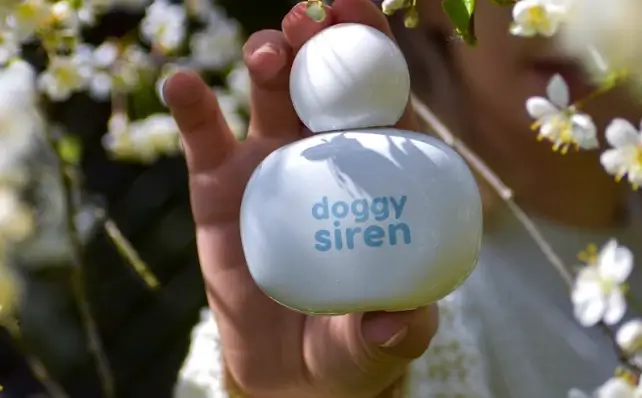
Doggy Siren can be read as the scent of the first truly warm days. May lilac does not lead here towards a cool, florist styling, but rather towards a garden, bright evenings, and simple memories that return together with the spring air. It is an aroma that carries the image of the beginning of the season: the moment when everything is just opening up, and the world is getting lighter and more luminous.
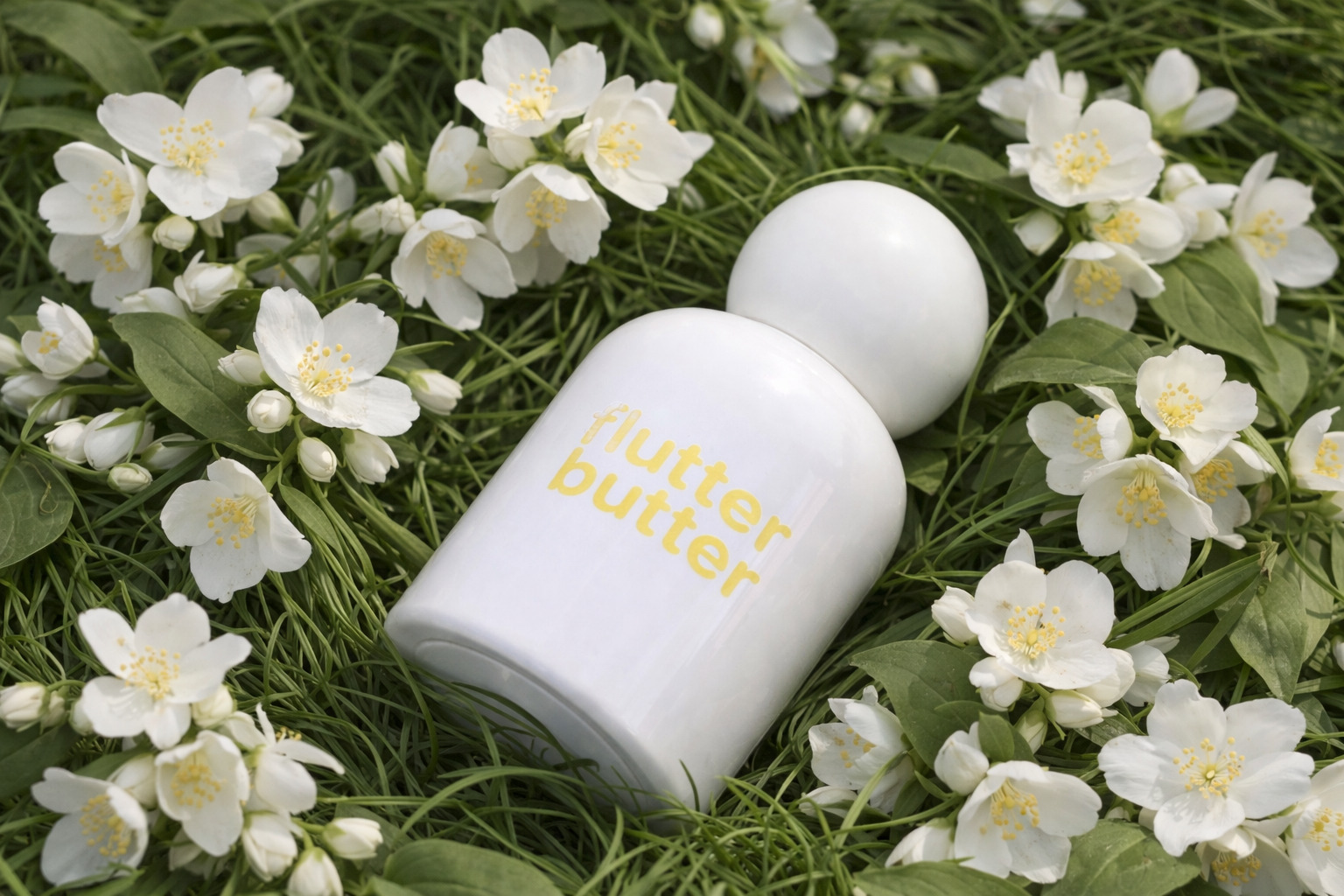
Flutter Butter shifts this story to another time of day. Jasmine appears here as the scent of the evening, soft air, and a garden after dusk. It is not heavy or theatrical. It can rather be associated with silence, a warm night, and that moment when the day slowly gives way to something more intimate, but still light. In this approach, jasmine is not only a floral note — it becomes the atmosphere of the beginning of something new and familiar at the same time.
Fussy Pussy shows, in turn, that the associative category does not have to be based solely on one flower or one season. Here, the first association leads towards milkiness, creaminess, and a very personal softness. This composition builds an image of an afternoon, dessert, vanilla, rice, cream, and warmth close to the skin. There is something private, calm, and slightly mischievous about it at the same time — like a soft, sweet world enclosed very close to the body. Thanks to this, Fussy Pussy well demonstrates that a scent can be associated not only with a place or a season, but also with texture, mood, and closeness.
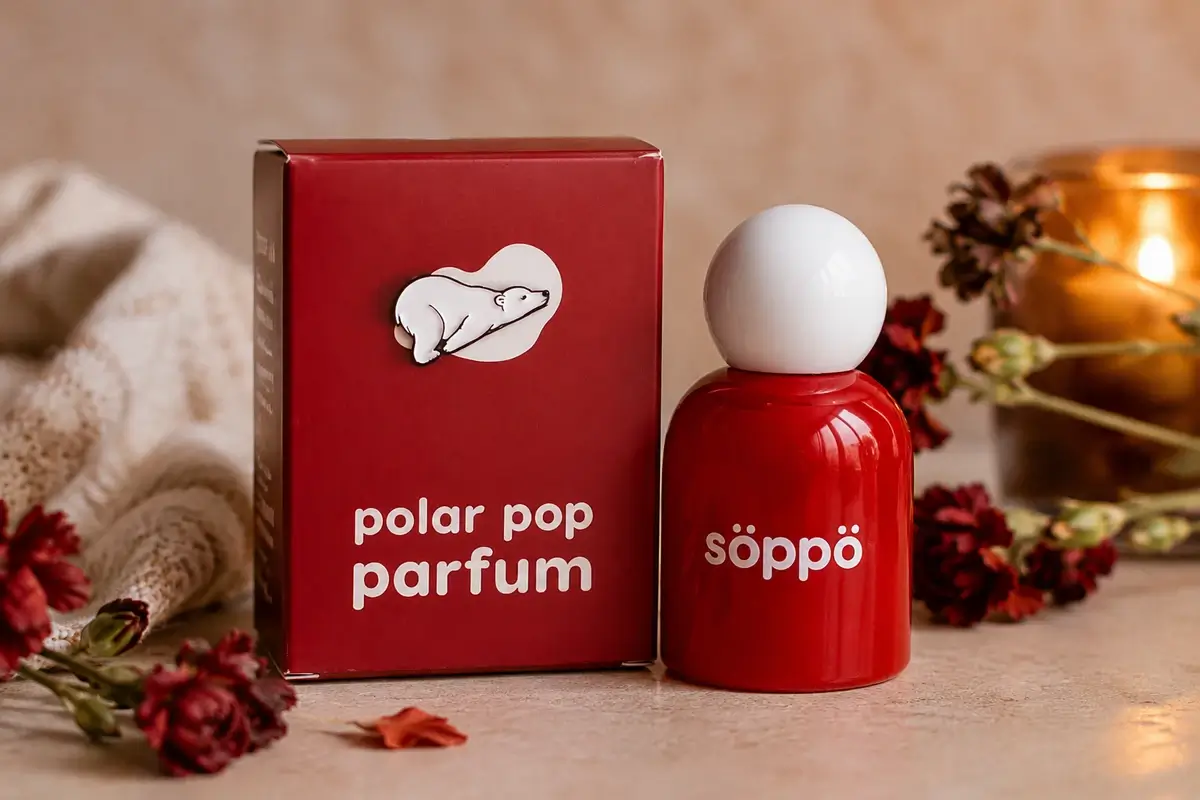
Polar Pop works on a completely different register. Here, the association goes towards December, the first snow, the kitchen, and the domestic commotion that heralds the holidays. Spicy cola, spices, and the warmth rising from a mug or a jug create a very specific image: familial, seasonal, slightly nostalgic. This is an example of a scent that does not need many explanations, because the accord itself already carries a ready scene — wintery, warmed up, a bit nostalgic, and very expressive.
Wooly Wolf can be read through the association of returning home after a frosty walk. Hot chocolate with marshmallows does not sound here like a dessert from a display case, but like something thick, soft, and domestic. It is a scent that opens images of steaming windows, a thick sweater, cold hands warmed by a mug, and a moment when the external chill is left behind the door. Thanks to this, the chocolate composition is not exclusively sweet — it becomes a carrier of the image of warmth, interior, and very everyday comfort.
Sneks with Legs leads somewhere else entirely: towards the evening, bedding, silence, and the calm end of the day. Lavender is not a decorative addition here, but builds an association with the domestic rhythm, soft light, and the moment when everything slows down. This is an example of a scent that does not have to be intense to be remembered. Its simplicity and clear, recognizable character, rooted in something everyday and well-known, are enough.
That is exactly why the associative category works so well when describing Söppö fragrances. It allows us to talk about perfumes not through declarations and not through cold technique, but through images that open almost immediately: spring lilac, an evening jasmine garden, a milky dessert, a December kitchen, a mug of hot chocolate, or a quiet evening smelling of lavender. In this approach, scent becomes part of memory and everyday imagination — and that is exactly why it stays with us longer.
Does everyone perceive scent the same way?
Even if the same aroma hits the skin of different people, its perception is very rarely identical. What matters here are not only the notes themselves, but also memory, context, personal experiences, and what a given scent has encountered earlier in someone's life. That is exactly why one aroma can mean lightness and freshness for someone, and for someone else an evening, home, or a specific moment from the past.
This is especially visible with scents that have a strong associative dimension. For one person, lilac will primarily be a sign of spring and the first warm days, for another, it will recall a garden, a walk, or a memory of a long, bright evening. Jasmine can be associated with the night and soft light, but just as well with a holiday trip or a moment that cannot be immediately named. Lavender, hot chocolate, or milky, creamy compositions work similarly — each of these aromas opens a slightly different world, depending on who perceives it.
This is exactly where aromachology becomes truly interesting. Not because it turns a scent into a simple scheme of reactions, but because it shows how strongly aromas are connected with individual experience. A scent can fit into the rhythm of the day, recall memories, build a specific atmosphere, and open images that will be slightly different for each person. Thanks to this, perfumes are not just a composition of notes, but also part of a personal language of memory and associations.
What aromachology is, and what it is not?
Aromachology shows that aromas are connected not only with what we smell with our nose, but also with how they are recorded in memory, what images they recall, and how they fit into the everyday perception of the world. Thanks to it, it is easier to talk about scent through memories, atmosphere, emotions, and meanings that appear around specific aromas.
However, this does not mean that every scent carries one universal meaning or that its perception can be enclosed in a simple scheme. Aromachology does not deprive a scent of its subtlety. On the contrary — it shows that the power of an aroma very often lies precisely in the fact that it leaves room for one's own associations and personal reading. What for one person will be an image of the beginning of May, for another may turn out to be a memory of home, travel, or a completely private moment.
In the world of perfumes, such an approach turns out to be particularly valuable. It allows us to tell stories about scents not only through notes and technical definitions, but also through what happens between the aroma and memory. That is exactly why Söppö perfumes find themselves so well in this language. Their story does not end with the composition's ingredients, but develops further — towards images, memories, everyday rituals, and those small moments that stay with us the longest.
FAQ
Frequently Asked Questions
1. What is aromachology?
Aromachology is a field dealing with the relationship between scent and how a human perceives it. It covers issues related to perception, memory, associations, and the emotional perception of aromas.
2. Is aromachology the same as aromatherapy?
No. Aromachology primarily concerns the way a scent is perceived and interpreted, while aromatherapy refers to a separate area related to the use of essential oils and specific fragrance practices.
3. Why are some scents so strongly associated with memories?
Scent very easily connects with memory and everyday experience. That is exactly why one aroma can suddenly recall an image of a place, season, specific moment, or person it was once connected with.
4. Does everyone perceive scent the same way?
No. The perception of scent is very individual. Personal experiences, memory, culture, context, and what a given aroma has encountered earlier in someone's life matter here.
5. Why are perfumes so often talked about today through associations?
Because for many people, a scent is something more than just an arrangement of notes. Images and atmospheres often describe it better: an evening, a garden, the first warm day, a mug of hot chocolate, or the soft silence of the end of the day. Such a language is often closer to the real experience of an aroma.
6. Can Söppö perfumes be read in an associative category?
Yes, because many Söppö scents are based precisely on images and everyday scenes. Lilac can lead towards spring and bright evenings, jasmine towards a garden at night, and the milky composition of Fussy Pussy towards softness and a very personal perception close to the skin.
7. Does aromachology say that a scent always produces the same effect?
No. Aromachology helps to describe the dependencies between an aroma and perception, but does not turn a scent into one universal message. The same aroma can mean something different to different people.
From the author
When creating Söppö, from the beginning I thought about scent not as an ornament, but as something that stays close to a human and their everyday life. What interested me most was that an aroma is very rarely just a smell. It almost always carries some image: an evening, a garden, the warmth of home, the first warmer day, the softness of a moment that you do not want to end.
That is exactly why thinking about perfumes through associations is so close to my heart. Not through great declarations, but through what a scent can stir within us at the level of memory and imagination. Sometimes it will be a childhood memory, sometimes a season, and sometimes simply an atmosphere in which we suddenly feel very "at home".
I wanted Söppö fragrances to leave room for such a personal, own interpretation. So that they do not impose a single story, but gently open it. Because the most beautiful thing about perfumes for me is exactly that everyone can find something slightly different in them — and yet true.