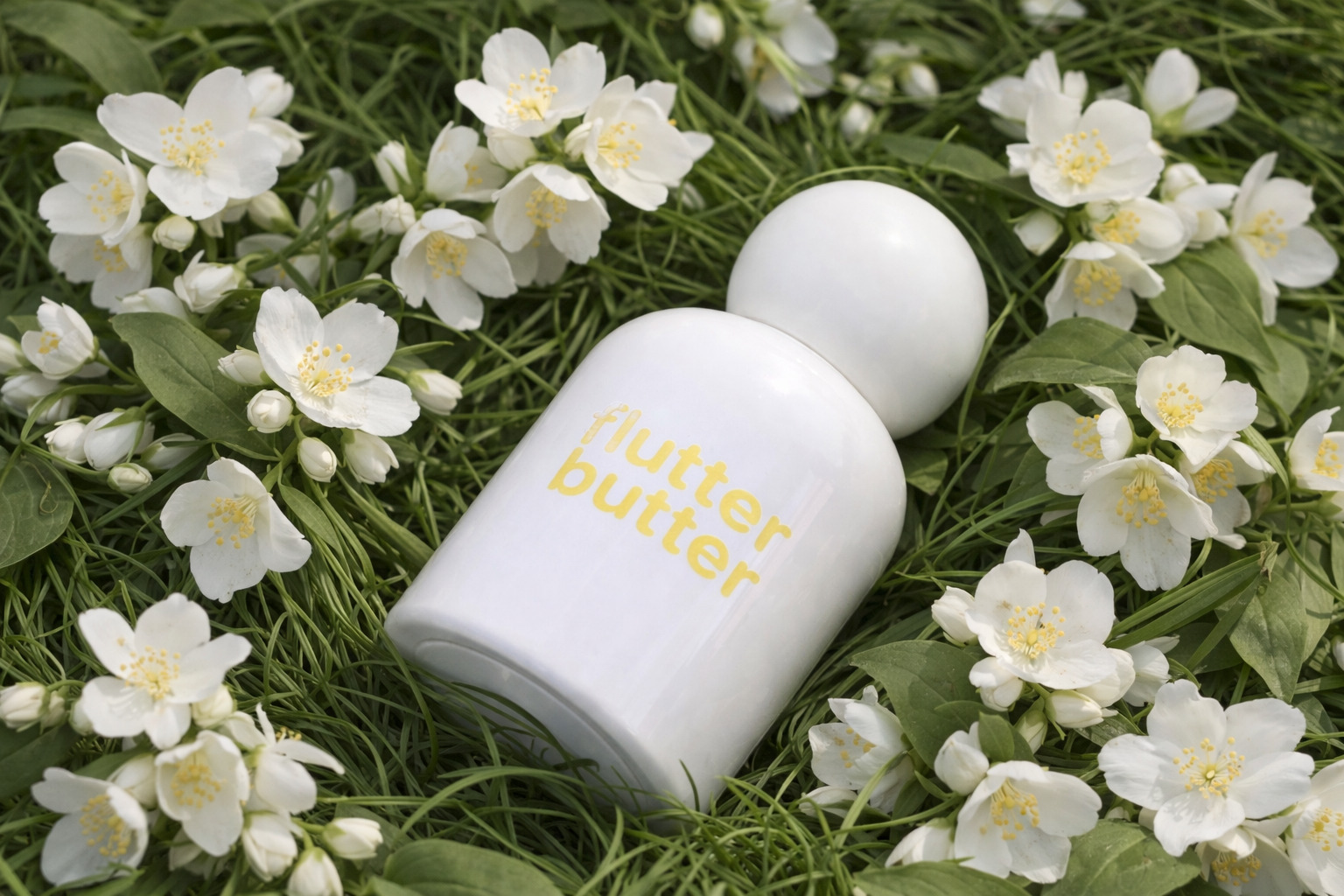

There are scents that are not associated with a single thing, but with a whole moment. Not with the tree itself, not just with the flowers, but with the air on summer days, the warmth on your hands, and the light that turns more golden than white in the evening. The scent of linden belongs exactly to such memories. You don't even have to stand right under its branches to recognize it. Sometimes a short walk, a slightly opened window, or a few seconds of silence is enough to suddenly feel summer.
Linden-scented perfumes arouse interest precisely because they do not smell like a „single accord” in a simple, obvious way. They contain honey, pollen, the slightly green shade of leaves, and something very delicate that is difficult to name right away. Meanwhile, the linden blossom does not make a fuss about itself. Its charm does not rely on sharpness, but on a soft presence that stays in memory for a long time.
Perhaps this is exactly why the scent of linden is later sought in perfumes. Not to keep the season literally, but to preserve its trace: a bit of light, a bit of warmth, a bit of that special air that appears when summer seems to have no end.
What linden blossom smells like and why it is so easy to remember
Linden blossom has a scent that is difficult to capture in one simple term. On the one hand, you can feel its sweetness, but not heavy and dessert-like. It is more reminiscent of honey lingering in the warm air than sugar syrup. On the other hand, there is a slightly powdery tone, very natural, soft, and subtly dry. In the background, there remains a green nuance of leaves and stems, thanks to which the whole does not lose its lightness.
It is this balance that makes the scent of linden blossom not perceived as bland or overly floral. It smells delicate, but not dull. It has freshness and warmth at the same time. You can sense something bright, sunny in it, and right after that, something softer and cozier. That is why linden-scented perfumes are so interesting — they do not rely solely on one impression, but on a combination of golden sweetness, pollen, and green lightness.
The scent of linden is also not remembered exclusively with the nose. Very often it stays in memory because it appears at a specific moment of the year. When the air is already thicker from the heat, the days are long, and a walk through the city or park suddenly begins to smell different than a week earlier. Linden blossom does not enter the world of scents sharply or coldly. Rather, it settles on it peacefully, which makes it seem authentic and intimate.
Linden as a picture of summer, not just a note in perfumes
When its scent appears, the mind runs not to a bottle, but to a place: to an old tree, a heated pavement, a shadow momentarily hidden from the sun, to a summer afternoon that flows more slowly than usual. That is exactly why linden is not perceived only as a note. It is felt as a fragment of summer.
There is something very everyday, yet extraordinary in this scent. It smells like a moment that you usually do not immediately pay attention to: a walk without a rush, hands warmed by the sun, breath fuller than in the morning, soft evening air. Linden does not need a grand setting, because its character builds itself — through presence, through warmth, through this special mixture of lightness and honey pollen that stays in the heart long after the day ends.
That is why linden-scented perfumes so often seem more like a memory than an ornament. They do not have to dominate to be liked. It is enough that they remind you of something familiar: of a summer that was supposed to last a moment longer, of air smelling of gold, of a time that, even for a moment, could be preserved. And perhaps this is where their charm lies — not in literalness, but in the fact that they allow you to return with your thoughts to a place that you still carry in your memory.
Linden in Söppö's interpretation – Stinky Stinger
In the world of Söppö, linden has a very specific face. Stinky Stinger - linden-scented perfumes emerge as a picture of the last hot day of summer: air thick with golden light, honey pollen, and a moment that does not want to end yet. It is a scent built around linden, but told more through the atmosphere than through the technical description of the ingredient itself. Thanks to this, it is not associated exclusively with the flower, but with the entire summer landscape — an old tree, grass, warmth, and the soft tranquility of the end of holidays.
In this interpretation, linden is honeyed, golden, and quiet. It does not lean towards heavy sweetness or overly green freshness. Instead, it builds an impression of closeness, soft light, and a present that you want to hold on to for longer. In the essence of Stinky Stinger, there also appears a very characteristic motif of sisterhood, friends laughing, and the memory of a moment experienced together — and this well explains why this scent does not sound lonely or cold. It holds the warmth of a shared summer, and not just the scent of linden blossom as such.
This is also important because Stinky Stinger shows well how linden can function as a mono-fragrance in the Söppö aesthetic. The linden note is led linearly here, and at the same time does not seem flat. It retains its powdery softness and natural character, and in the product version it has been encapsulated in a high concentration of the fragrance composition, thanks to which it is supposed to develop on the skin slowly, like the warmth of late summer. That is exactly why this scent can be read not as an ornament, but as a very specific story about linden — one that smells not only of a flower, but also of time, light, and the memory of a moment.

Why linden-scented perfumes are so non-obvious
At first glance, it might seem that linden blossom is a simple topic. After all, almost everyone knows its scent and can recall it from memory. And yet, in perfumes, the matter is not so obvious. The scent of linden cannot be reduced exclusively to sweetness or classic florality. There is honey in it, but not heavy. There is pollen, but not dry. There is the green shade of leaves and the lightness of the air. It is exactly this multilayered nature that makes linden-scented perfumes so interesting — and so difficult to describe in one sentence.
Meanwhile, linden blossom does not smell like a bouquet cut off from its surroundings. It is more reminiscent of a fragment of a landscape: a tree, light, an August afternoon, heated air. It is rather a scent connected to the movement of air, skin temperature, and the memory of a place. That is exactly why a composition based on linden is easy to make too flat or too literal. It turns out most interesting when it retains its natural character and does not lose this delicate ambiguity.
Perhaps for this very reason, linden will highly appeal to people who do not look for obvious perfumes. It is neither typically fresh, nor unequivocally sweet, nor overly floral. It leaves more room for one's own perception. And perhaps that is why it seems so authentic — like something familiar, yet hard to fully capture.
What can surround linden in a fragrance composition
Although linden itself has a distinct character, it also shows well in combination with other notes. Not to cover it up, but to gently shift the accent to one side or the other. When a touch of bergamot appears in the background, the scent gains more light and freshness. In combination with orange blossom, it becomes more radiant, like the air on a warm morning. In turn, jasmine can add softness to it and a fuller, more floral heart, without taking away that characteristic lightness.
It also sounds interesting when geranium appears next to it. Such a note brings a touch of green and organizes the sweeter background, thanks to which the whole does not go towards excessive sweetness. This is important, because the scent of linden is most beautifully served by balance. After all, its charm does not rely on intensity, but on the fact that honey, flowers, and green coolness meet in one place. Thanks to this, a composition with linden can be led very differently: more sunny, more floral, or more fresh.
This is exactly what makes linden-scented perfumes have so much subtlety in them. They do not need many loud notes to sound full. A well-chosen background is enough. A bit of bergamot, a bit of jasmine, sometimes an accent built with orange blossom or herbal geranium — and already this same scent begins to tell a different version of summer. Still delicate, still natural, but each time showing a slightly different character.
Linden in the perfume world – where the association with lightness and classics comes from
Although linden is not one of the most frequently described notes in the mainstream language of perfumes, it has long had its special place in perfumery. Perhaps this is exactly why it cannot be easily pigeonholed into a simple division of „fresh”, „sweet”, or „purely floral”. It has a lightness to it, but is not transparent. It has sweetness, but does not lean towards a dessert. It is floral, and at the same time strongly connected with the air, tree, pollen, and summer light. It is exactly this ambiguity that makes the scent of linden find itself so well in a more classic, calm thinking about perfumes.
In the history of perfumes, linden often appears where the impression of brightness, freedom, and natural elegance counts. Not the cold and distant one, but more connected with the movement of air, the softness of the flower, and the slightly honeyed background. That is why for many people, this fragrance direction evokes associations with subtle, luminous, and very summery compositions. A good example of such a perception is, for instance, La Chasse aux Papillons — a scent often brought up in conversations about flowers sounding light, soft, and almost airy. It is not about a literal comparison, but about the very sensory direction: summer, flowers, and lightness that does not lose its character.
And yet, linden is not exclusively delicate. In a well-led composition, it can leave behind something more than just the first, ethereal flash. Its honeyed, powdery character gives a sense of fullness, and not just freshness. Thanks to this, the scent of linden can seem simultaneously light and grounded, bright and warm. This combination means that in the perfume world it is perceived as a very noble note — not flashy, but memorable.
Who is the scent of linden for
Linden-scented perfumes usually appeal to people who are not looking for compositions built around a strong effect. It is a good direction for those who prefer scents that stay close to the skin, more soft than demonstrative, more luminous than heavy. Linden does not impose itself from the first second. Instead, it builds around itself an atmosphere of warmth, lightness, and naturalness, which is why it resonates so well with people who like subtle but not banal perfumes.
It is also a good choice for those who feel comfortable in floral notes, but not necessarily in their most classic, bouquet-like edition. Linden blossom has something more spatial and less obvious in it than many typical white flowers. It does not smell like a composition enclosed in a vase, but like a fragment of summer transferred to the skin. Therefore, it might appeal to people who like authentic scents, a bit green, a bit honeyed, and strongly connected to a specific image or memory.
Linden also finds its place well with those who prefer to choose perfumes intuitively. Not according to strict categories or occasions, but according to what sounds familiar and natural in a given moment. It is a scent for people who, more than declarations, are looking for their own rhythm: something delicate, but with character, something summery, but not fleeting, something that does not dominate, but stays in memory.
How to wear linden so as not to lose its charm
The scent of linden resonates best when you do not try to drown it out. It is a note that likes space and skin. Its charm relies precisely on the fact that it develops softly, without rush, often closer to the body than in a large projection. That is why it is worth letting it work peacefully — applying the perfumes to pulse points, on the wrists, sides of the neck, or the insides of elbows, and not rubbing them right after use. The warmth of the skin and natural movement are enough for the scent to start settling in its own rhythm.
Linden sounds good during the day, especially when the air is warmer and softer. Exactly in such conditions, it is easier to feel its honey pollen, slight sweetness, and the green breath of the background. However, this does not mean that it is exclusively a summer scent. Often it works most interestingly when worn out of season — in order to evoke the image of the last hot days, golden light, and a moment that did not want to end yet. Then the scent of linden becomes not so much an addition to the weather, but one's own little memory worn on the skin.
If someone likes layering scents, linden also finds itself well in delicate layering. However, it is best to lead it subtly — not to cover it with too many heavy notes, but to leave it some breath. It feels good next to soft, warm backgrounds or next to other light flowers that do not take away this characteristic brightness from it. That is exactly when it retains its greatest charm: it smells like summer, but not literally. More like its trace, which stayed on the hands and in memory a bit longer than could have been expected.
Conclusion - is it possible to hold on to summer?
Summer cannot be held on to literally. It is impossible to make the longest days stay with us forever, and the warm air never give way to the cold. One can, however, preserve something else: its trace. Sometimes it stays in memory as an image, sometimes as a minor detail, and sometimes exactly as a scent. Linden has in itself this special ability that it does not remind you only of flowers. It evokes the entire background — light, pollen, warmth, a walk, a moment of tranquility that seemed ordinary until it passed.
Perhaps that is why linden-scented perfumes seem so moving. Not because they try to prove something, but because they leave room for one's own associations. For one person they will smell of honey and flowers, for another of the green shade of a tree, and for yet another of the last truly warm afternoon at the end of August. And exactly in this lies their strength — not in literalness, but in the fact that they allow you to return with your thoughts to something soft, bright, and familiar.
So if it is possible to hold on to summer, then probably exactly in such a way. Not all of it, just a little bit. In the scent of linden, in the memory of hands warmed by the sun, in the air that suddenly seems lighter. At least for a moment.
FAQ
What do linden-scented perfumes smell like?
Most often they combine several impressions at once: honey sweetness, delicate pollen, a slightly green background, and floral lightness. It is a scent that is usually neither heavy nor overly fresh — softer, golden, and very summery in perception.
Does linden in perfumes smell more honeyed or floral?
Usually both at the same time. This is exactly what makes the scent of linden so characteristic. It has a floral character, but it is accompanied by powdery sweetness and warmth, which for many people is associated with honey lingering in the air.
What season are linden-scented perfumes suited for?
They are most naturally associated with summer and warm days, because that is exactly when linden blossom embeds itself most strongly in memory. In practice, many people like to reach for such a scent also out of season, when they want to return to the memory of light, warmth, and a summer walk.
Are linden-scented perfumes heavy?
Usually not. Even if they hold honey sweetness, they are rather perceived as delicate, luminous, and close to the skin. Their character is based more on lightness and naturalness than on thick, overwhelming sweetness.
What does the scent of linden pair best with?
Linden finds itself well next to notes that emphasize its brightness or organize the sweeter background. These can be, for example, bergamot, jasmine, orange blossom, or geranium. Such combinations do not take away its character, but only show it from a slightly different angle.
Who is the scent of linden good for?
Most often for people who like subtle, natural, and unobtrusive perfumes, but still distinct in their vibe. It is a good choice for those who prefer scents associated with a place, season, and memory, rather than with a strong effect from the first second.
From the author
Linden has always seemed to me a scent that appears somewhat unnoticeably. It does not enter violently, does not try to draw attention to itself. It just suddenly is — in the warm air, over the pavement, somewhere between light and shadow. And perhaps that is exactly why it is so easy to remember. Not as the flower itself, but as a fragment of a day that was ordinary, and yet for some reason stayed with us for longer.
When I think about linden, I do not see one image. Rather, a few small scenes: a walk without a rush, hands smelling of summer, air that turns soft and golden in the evening. This is one of those scents that do not need many words, because they immediately open their own story in memory. And I guess this is exactly what I like it for the most — for this delicacy that does not disappear right away, but stays a moment longer after everything.
This article is educational and inspirational in nature. In it, we describe scents through associations, memories, and the way they are sometimes perceived. Perfumes remain a cosmetic product, and their perception is always individual.