

The season changes the way we perceive perfume. The skin works differently on hot days, fragrance notes resonate differently under a sweater, we perceive light flowers differently in spring, and sweet notes differently in the middle of summer. Fragrance meets temperature, clothing, air, and the moment.
However, this does not mean that the season should be a prohibition. Summer perfumes do not always have to smell like citrus, and winter ones exclusively like vanilla and sandalwood. It is a map of associations rather than a set of regulations. The ideal perfumes are those that sit well on the skin and fit the story you want to keep close to you.
The season and perfume – why does the season change the perception of a scent?
The season matters because it changes the conditions in which perfumes develop on the skin. High temperature, humidity, wind, heated rooms, layers of clothing, and the method of application can make the same fragrance composition be perceived differently in July than in January.
On warm days, fragrance ingredients rise faster from the skin into the air. Therefore, on hot days, perfumes may seem more distinct from the very first minutes. What was a subtle layer close to the body in winter can become more strongly present in summer.
Cold acts more calmly. In autumn and winter, the scent often stays closer to the skin, scarf, sweater, or coat collar. Deeper accords, sweet notes, and woody notes can then sound milder than in full sun.
That is why the season is a good hint, but it should not replace your own nose. Sometimes a smaller application, a different time of day, or wearing your favorite perfume closer to the skin is enough.
What perfumes for summer? Comfort, lightness, and space
This question returns when it gets really warm. Suddenly, what was soft and pleasant in winter may seem too dense. However, summer does not require one type of scent — more than a specific note, it looks for comfort.
Summer perfumes should be chosen based on how they settle on the skin after a few hours. Summer perfumes can be citrusy, aquatic, green, floral, or fruity. It is important that they do not become too heavy in high temperatures and leave an impression of space.
That is why light scents often work well in summer: bergamot, lemon, orange, green tea, white musk, aquatic notes, or soft flowers. Women's perfumes for summer do not have to be fleeting or very delicate, though. They can have character if the composition does not overwhelm on warm days.
Summer smells different for everyone. For one person it will be citrusy and refreshing, for another linden-like, green, marine, or floral. Therefore, instead of starting with a ranking, it is better to ask: are you looking for a fresh, soft, aquatic, fruity, or floral scent? Only then is it easier to find perfumes that truly suit you.
Summer fragrance notes – citrus, tea, flowers, and aquatic accords
Summer fragrance notes are most often associated with air, light, and movement. Citruses — bergamot, lemon, orange — can open a composition brightly and vividly. They add energy to the fragrance structure itself: they make the first impression more sparkling, fast, sometimes almost effervescent.
Green tea also often appears in summer scents. It is less obvious than citrus, more transparent, gently herbal. It finds its place when freshness is not supposed to smell like lemonade, but rather like cooler shade, a clean cup, a quiet morning by an open window.
Aquatic and marine notes are a separate family. They do not always smell literally like the sea. Sometimes they build an impression of space, humid air, a light chill on the skin. This is why they so often appear in compositions chosen for summer and hot days.
Summer can also be floral. Orange blossom, jasmine, ylang-ylang, or cactus flower show that summer perfumes do not have to end with citrus. They can be soft, bright, slightly creamy, or more evening-like — like a garden that only begins to smell when the sun goes lower.
Should heavy perfumes be avoided in summer?
It is not strictly necessary to avoid heavy perfumes in summer. It is just worth remembering that high temperatures can bring out more from them than usual. Sweet notes, oriental notes, amber, vanilla, sandalwood, or white musk can sound stronger, broader, and more intense in the heat.
What settles like a soft layer under a sweater in winter may become too present in full sun. Therefore, with heavier compositions, a smaller application works well. One delicate spray closer to the skin is often enough, rather than several sprays on the neck, hair, and clothing.
A good solution is also moving such scents to the evening. When the air becomes milder, woody notes, vanilla, musk, or warmer amber can resonate more calmly than in the midday heat.
The most important thing is not whether a scent is "summery" according to the rules, but whether it is worn well. If a favorite perfume has a deeper character, you do not have to give it up. Sometimes it is enough to treat it like a darker fabric in a summer outfit — beautiful, but requiring a bit of moderation.
Perfumes for spring – flowers, greenery, and the first warm air
Spring smells like a beginning. Not full heat, not vacation carefreeness, but the first warm air that appears suddenly and changes everything. That is why spring perfumes often lean towards flowers, green stems, light fruits, and soft musk.
This is a good time for women's perfumes with lilac, peony, orange blossom, jasmine or blackcurrant. Such notes can be fresh, but not cold. They have something of a bouquet held in the hand, of wet stems after being cut, of flowers placed in a vase near a window.
Spring scents do not have to be very light. They can have a deeper background if they still leave room for air. White musk, delicate fruity accords, or a soft base can give flowers more body without taking away their freshness.
At the turn of spring and summer, flowers often become fuller. Jasmine, ylang-ylang, or orange blossom can then sound more evening-like, closer to the skin, a bit less innocent. These are still bright scents, but already with the promise of longer days and warmer nights.
Perfumes for autumn – fruit, shade, and a deeper background
Autumn likes scents with half-shade. Not as light as summer perfumes, but not yet as dense as winter compositions. This is the moment when fruits become darker, flowers less obvious, and woody notes begin to appear closer to the skin.
Cherries, blackcurrant, rhubarb, almonds, ambrette seeds, tobacco, leather, and sandalwood find themselves well then. Such accords can build an impression of greater depth, but without full winter heaviness. Autumn does not have to smell explicitly sweet — sometimes a fruity shadow, light bitterness, or a soft, woody closure is enough.
This is a good time for compositions that contain contrast. Juiciness meets warmth, sweet notes meet something more dry, and flowers meet a base that stays on the skin longer than the first bright opening. Autumn perfumes can be calmer, but they do not have to be quiet.
If you choose fresh perfumes in summer, in autumn it is worth reaching for more rounded scents. It is not about a sudden change of the entire perfume collection, but about shifting the mood: from bright light towards a soft, warmer background.
Perfumes for winter – gourmand, spices, and scent close to the skin
Winter gives more room to scents that might seem too present in summer. Cold air, scarves, sweaters, and coats mean that vanilla, amber, coffee, chocolate, spices, leather, musk, and sandalwood can settle more calmly, closer to the body.
This is the season when gourmand compositions sound good, meaning scents associated with something edible: chocolate, vanilla, coffee, almonds, or spicy accords. They do not have to be excessively sweet. They are often most interesting when sweetness meets wood, musk, a balsamic background, or a delicate spice.
In winter, we also pay more attention to longevity. The most long-lasting perfumes for women or men are often associated with deeper base notes, but it is worth remembering that longevity alone is not the only criterion for choice. The scent should be present in a way that fits the day, the clothes, and the space around you.
Winter perfumes can accompany you all day, but they do not have to be loud. Sometimes they work most beautifully when they return in small moments: when adjusting a scarf, taking off a coat, the movement of a sleeve, or when the scent stays close to the skin instead of filling the whole room.
Women's perfumes, men's perfumes, unisex – does the season have a gender?
The division into women's and men's perfumes can be helpful in a store, but it does not have to decide what is truly worth wearing in summer, autumn, winter, or spring. The season relates more to temperature, skin, clothing, and mood than to the label on the shelf.
Citrus, green tea, aquatic notes, jasmine, white musk, amber, or sandalwood can appear in both women's perfumes and compositions described as masculine. It all depends on the proportions, the background, and the way the scent settles on a specific person.
In summer, someone who usually chooses men's perfumes with woody notes may feel good in something fresher, with bergamot or aquatic notes. On the other hand, a person looking for women's perfumes for summer does not have to choose exclusively light flowers — they can reach for musk, citrus, or more green accords.
The best perfumes are not always those that fit a category. They are more often those that simply sit well on the skin. The season can help narrow down the choice, but it should not take away the pleasure of wearing a scent your own way.
Is it worth having separate perfumes for each season?
You do not need to have separate perfumes for summer, autumn, winter, and spring. A seasonal perfume collection can be a pleasure, but it should not turn into an obligation. Sometimes one favorite scent can go through the whole year with us — only the way we wear it changes.
In summer, the same scent can be applied more sparingly, closer to the skin, or left for the evening. In winter, you can let it settle on a scarf, sweater, or coat collar. In spring, you can pair it with something floral, in autumn with a more woody or fruity background.
It is therefore worth thinking about seasonality as an invitation to observation, not as a rule. The ideal perfume does not always have to be "for a given season." Sometimes it is simply yours — and the weather only adds a new set piece to it.
How to build a seasonal perfume collection without buying everything from scratch?
A seasonal perfume collection does not have to be large. A few directions that correspond to different temperatures and moods are enough. Something fresh for warm days, something floral for spring, something fruity-woody for autumn, and something deeper for winter. Such a division helps, but still leaves room for intuition.
It is worth starting with what you already have. If your perfume collection includes light scents with citrus, green tea, or white musk, they may work perfectly in summer. If you have compositions with vanilla, amber, sandalwood, or musk, they do not have to wait for a special occasion — they might simply resonate better on cooler days.
Layering can also be helpful. One additional note can shift a scent in a different direction: jasmine will add floral softness, musk will smooth out fresh perfumes, and sandalwood will ground a lighter composition closer to the skin. It is not about creating complicated blends, but about gently adding to the story that the fragrance has already begun.
When making your first attempts, you do not have to be guided solely by price or buy everything at once. Cheap perfumes and more expensive compositions should be evaluated similarly: by notes, wearing comfort, longevity, and whether you still feel good with their scent after a few hours.
Söppö mini seasonal map – fragrance clues for the four seasons
It is not about assigning a perfume to a season once and for all. It is rather a small map of associations — a few clues that can help you find a scent that fits the light, temperature, and mood of a given season.
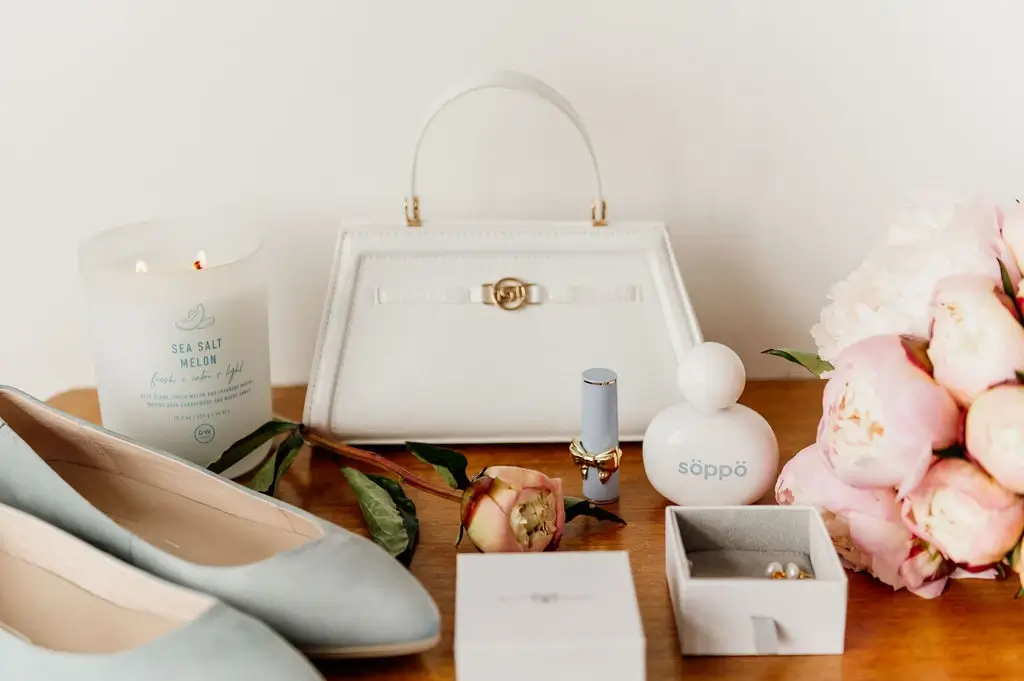
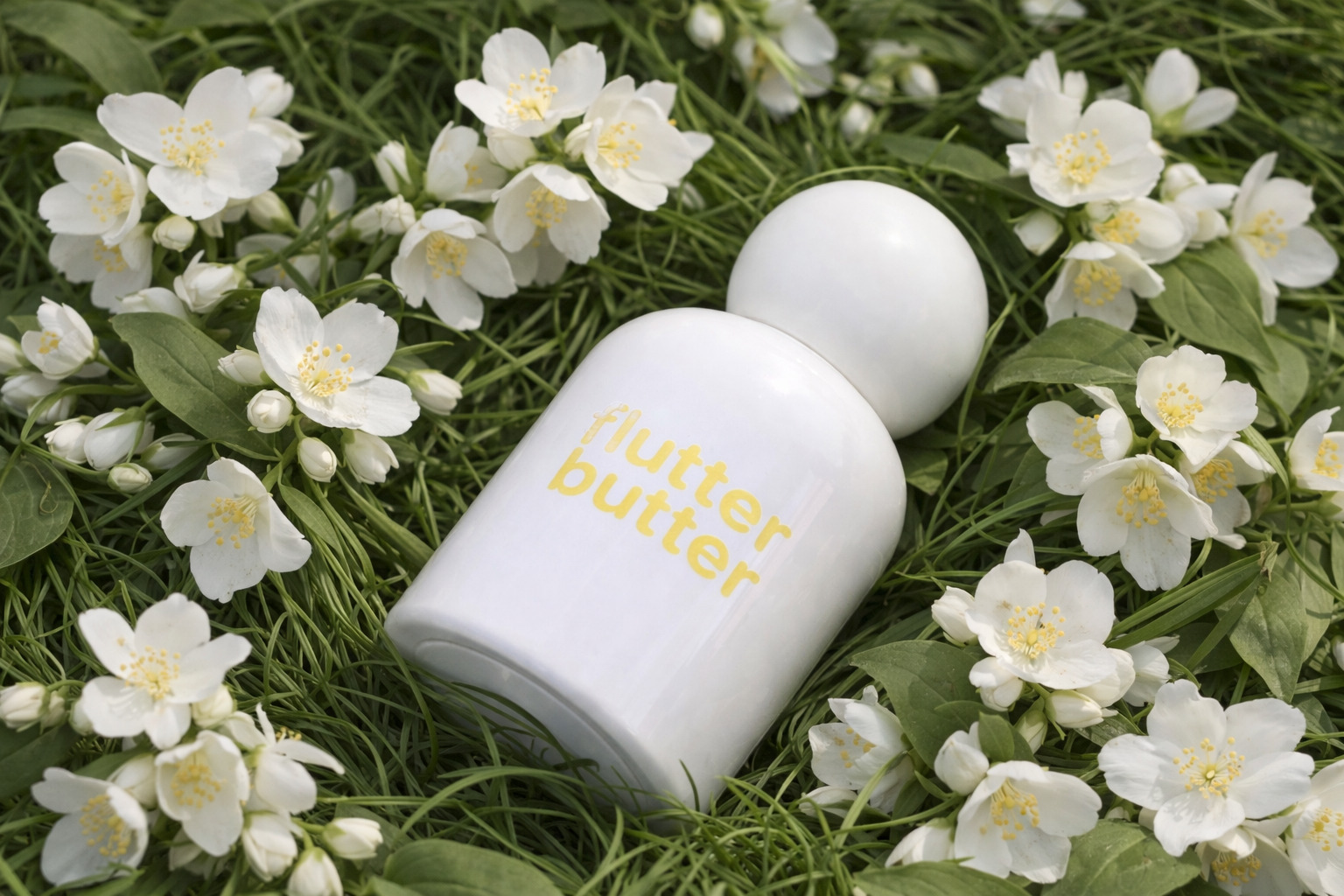
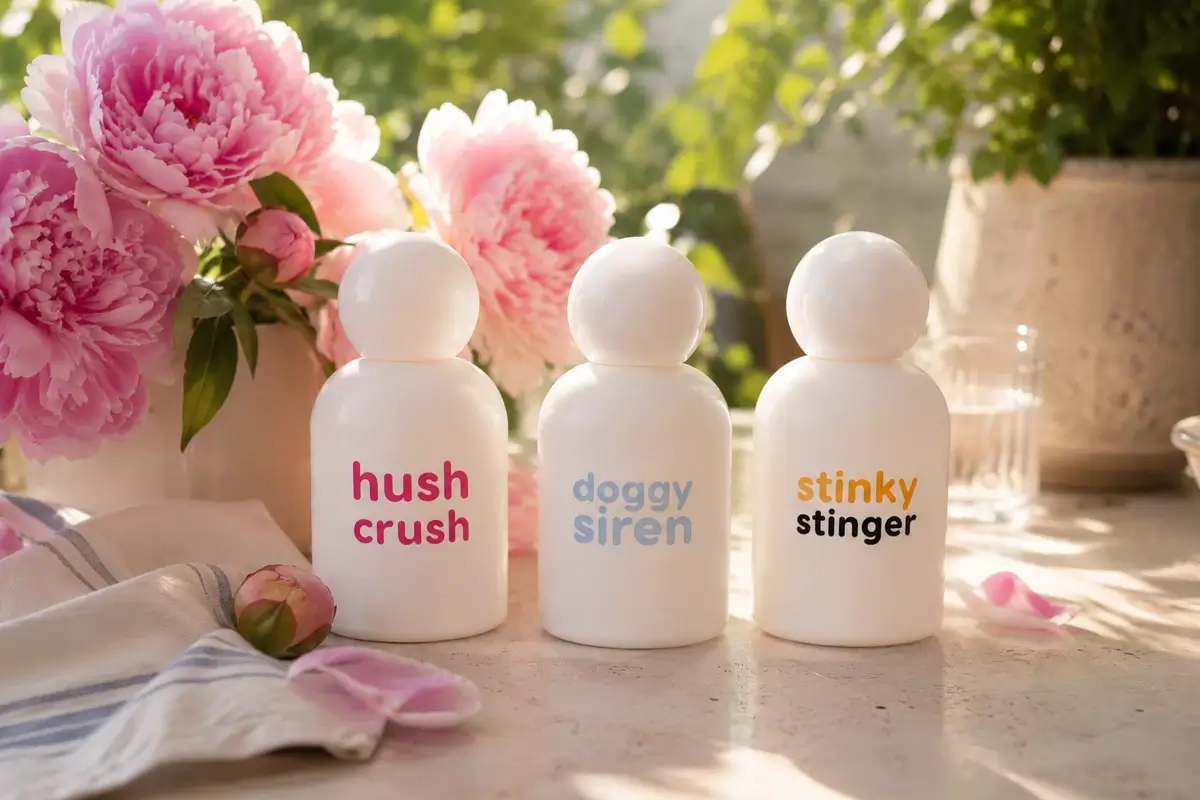
In spring, flowers naturally appear. Doggy Siren is lilac, May air, and the first warm evenings. Hush Crush leans towards peonies, flower shops, and romantic understatement. Flutter Butter can suit warmer spring evenings, when jasmine becomes softer and more perceptible closer to the skin.
In summer, you can look for freshness that is less obvious than classic citruses. Rogue is a more holiday and tropical clue. Stinky Stinger smells like linden, the golden air of summer — soft, familiar, a bit urban. Tangy Tankie can be a choice for people who prefer a tart, juicy, and rhubarb summer.
Autumn handles shade, fruit, and a deeper background better. Cherry Bomb combines cherry, sweet cherry, almond, and woody accords, which is why it fits the season when sweetness begins to turn darker. Burboneska is coffee, vanilla, whiskey, tobacco, leather, and sandalwood — a more elegant direction, calmer, grounded closer to cool days.
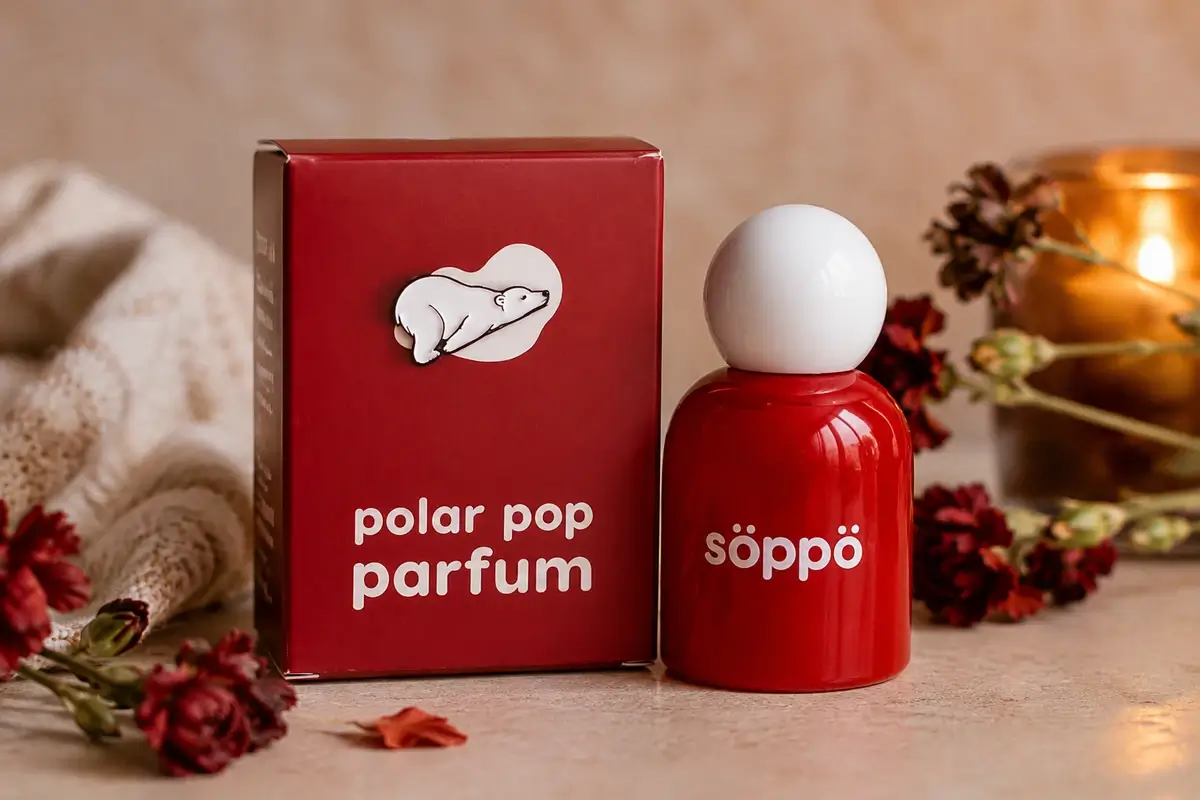
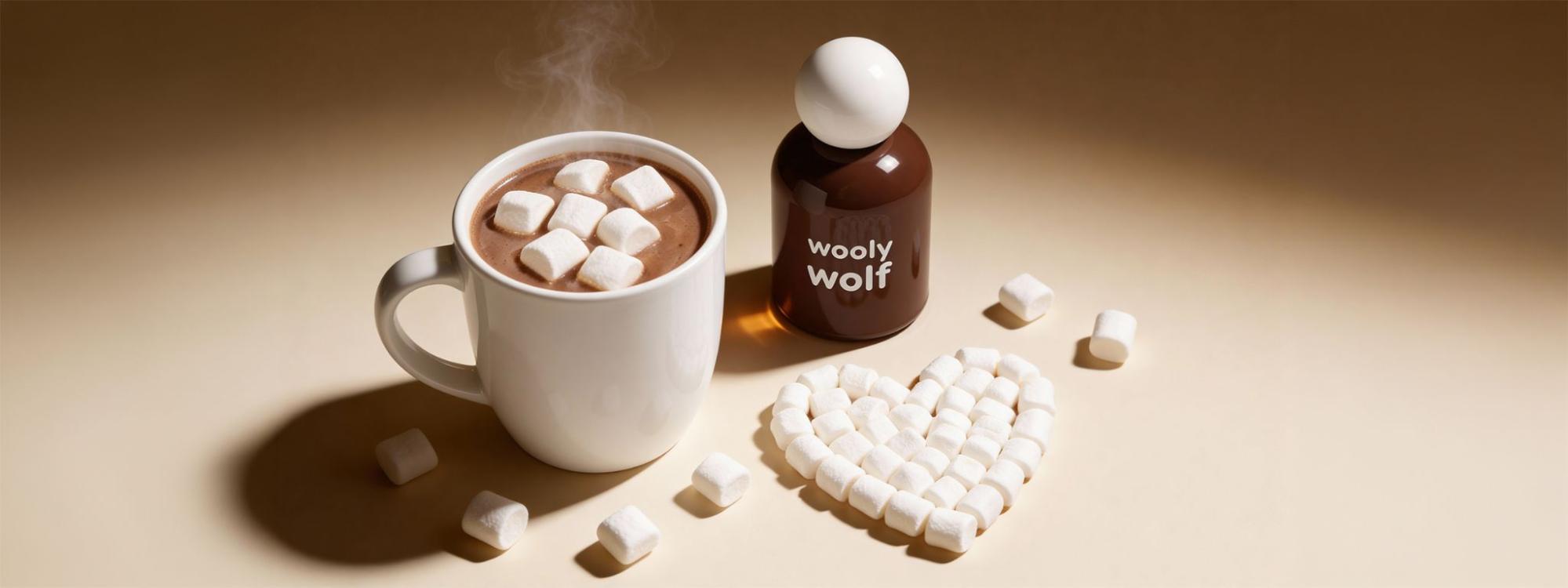
In winter, gourmand and spicy scents arrive. Wooly Wolf is associated with hot chocolate with marshmallows and a soft, wintery background. Polar Pop is spicy cola, spices, and holiday nostalgia with a light sparkling twist. These scents do not have to belong exclusively to winter, but it is in the cold that their associations can resonate particularly naturally.
Summary – the best season for perfume is the one in which you want to wear it
The season really does matter, but it does not have to decide for you. It affects skin temperature, clothing, air, and the way we perceive scents. That is why fresh perfumes are often easier to wear in summer, floral compositions fit spring beautifully, autumn likes fruits with a deeper background, and winter gives more room for vanilla, amber, spices, and woody notes.
This does not mean, however, that summer perfumes must be exclusively citrusy, and winter ones only sweet and heavier. If you love jasmine in December or a chocolate gourmand on a cool May evening, the scent has the right to belong to you more than to the calendar.
The best perfumes are not always those that someone has assigned to a specific season. More often they are favorite perfumes that you return to because they sit well on the skin, fit your everyday life, and carry an association you want to keep close.
The season can be a beautiful hint. It can help organize a perfume collection, choose a lighter composition for hot days, or a deeper scent for winter. But ultimately, you decide whether a given note is summer, spring, autumn, or simply yours.
A story from the author – scent does not always listen to the calendar
When I think of seasons, it would be easiest to assign scents to them once and for all. Lilac to spring. Linden to summer. Cherry to autumn. Hot chocolate to winter. Such associations come naturally because scent very quickly connects with an image: light, temperature, place, someone's presence.
But the longer I work with perfumes, the more clearly I see that scent does not listen to the calendar so obediently. Peony can become the scent of a July trip if that was when you wore it day after day. Chocolate can remind you of a rainy evening in the middle of spring. Jasmine can belong to winter if it appeared during an important conversation that you keep returning to in your thoughts years later.
At Söppö, we like to think of perfumes as small memory capsules. Not only the old ones but also those that are just being recorded. That is why the season is more of a backdrop for us than a rule. It helps tell the scent's story but does not lock it in one drawer forever.
So you can choose perfumes seasonally if that gives you pleasure. You can also wear one scent all year round and let it change meaning along with you. The most important thing is that it remains close to your story — not someone else's list of rules.
FAQ - perfumes and the seasons
Do summer perfumes have to be light?
They do not have to be, although light scents are often easier to wear on warm days. High temperature makes perfumes develop faster on the skin, so compositions chosen for summer should provide more space and not overwhelm after a few hours.
Citrus notes, aquatic notes, marine notes, green tea, or white musk can provide a sense of lightness in the perception of a scent. This does not mean, however, that heavier perfumes must be put away until winter. Sometimes a smaller application or wearing them in the evening is enough.
Which summer perfumes should I choose if I don't like citrus?
If citrus is not your direction, summer still leaves plenty of room for other scents. Aquatic notes, green tea, white musk, light flowers, orange blossom, jasmine, peony, or delicate fruits can be a great choice.
Summer perfumes do not have to smell like lemon, bergamot, or orange to build a sense of lightness. For many people, a holiday mood is also created by floral, linden, green, or slightly fruity scents — those associated with air, movement, and the warmth of summer days.
Will the most long-lasting women's perfumes always work in summer?
Not always. Longevity is important, but in summer, wearing comfort is equally significant. The most long-lasting women's perfumes are often based on deeper base notes such as vanilla, amber, musk, ambrette, or sandalwood. On hot days, such accords can be perceived more intensely than usual.
Therefore, when choosing perfumes for summer, it is worth looking not only at whether the scent will last all day but also at whether you still feel good wearing it after a few hours. A lighter composition will not always be the most long-lasting, but it can work perfectly when freshness and freedom are most important.
Do women's perfumes and men's perfumes differ seasonally?
Not directly. The character of the notes matters more than the label. Citrus, jasmine, sandalwood, musk, amber, or green tea can appear in both women's and men's perfumes. It all depends on the proportions, the background, and how the scent sits on specific skin.
On summer days, many people, regardless of whether they usually choose women's or men's perfumes, reach for lighter compositions. In winter, woody, sweet, balsamic, and spicy notes return more often. This is not a rule, however, just one of the possible paths.
Can winter perfumes be worn in summer?
Yes, they can, especially in the evening or in smaller quantities. Vanilla, amber, oriental notes, or sandalwood can become more distinct in the heat, so it is worth adjusting the application to the temperature.
If you like deeper scents, you do not have to give them up just because summer has arrived. Such a proposal will definitely work much better, however, if you treat it with moderation: one spray closer to the skin may be enough, rather than several sprays during the hottest part of the day.
How many perfumes is it worth having in your perfume collection?
There is no single right number. To start with, three or four directions are enough: fresh perfumes for warm days, a floral composition for spring, something more fruity-woody for autumn, and a warmer scent for winter. Such scents work perfectly as the basis for a small, seasonal wardrobe.
You do not have to look for many specific proposals right away. It is better to start by identifying your own notes: whether you are closer to citrus, flowers, musk, vanilla, fruit, or perhaps sandalwood. Then it is easier to find the ideal perfume that fits not only the season but also you.
Does Hush Crush fit better for spring or summer?
Hush Crush fits best into spring and the transition into summer. Peony has a freshness, florality, and a slightly green association with a flower shop, but it is not as obvious as typical summer citruses.
It is a good clue for people looking for floral perfumes with a romantic but still fresh character. It can suit the first warm days, walks without a jacket, and moments associated with a good mood, but without literal holiday sweetness.